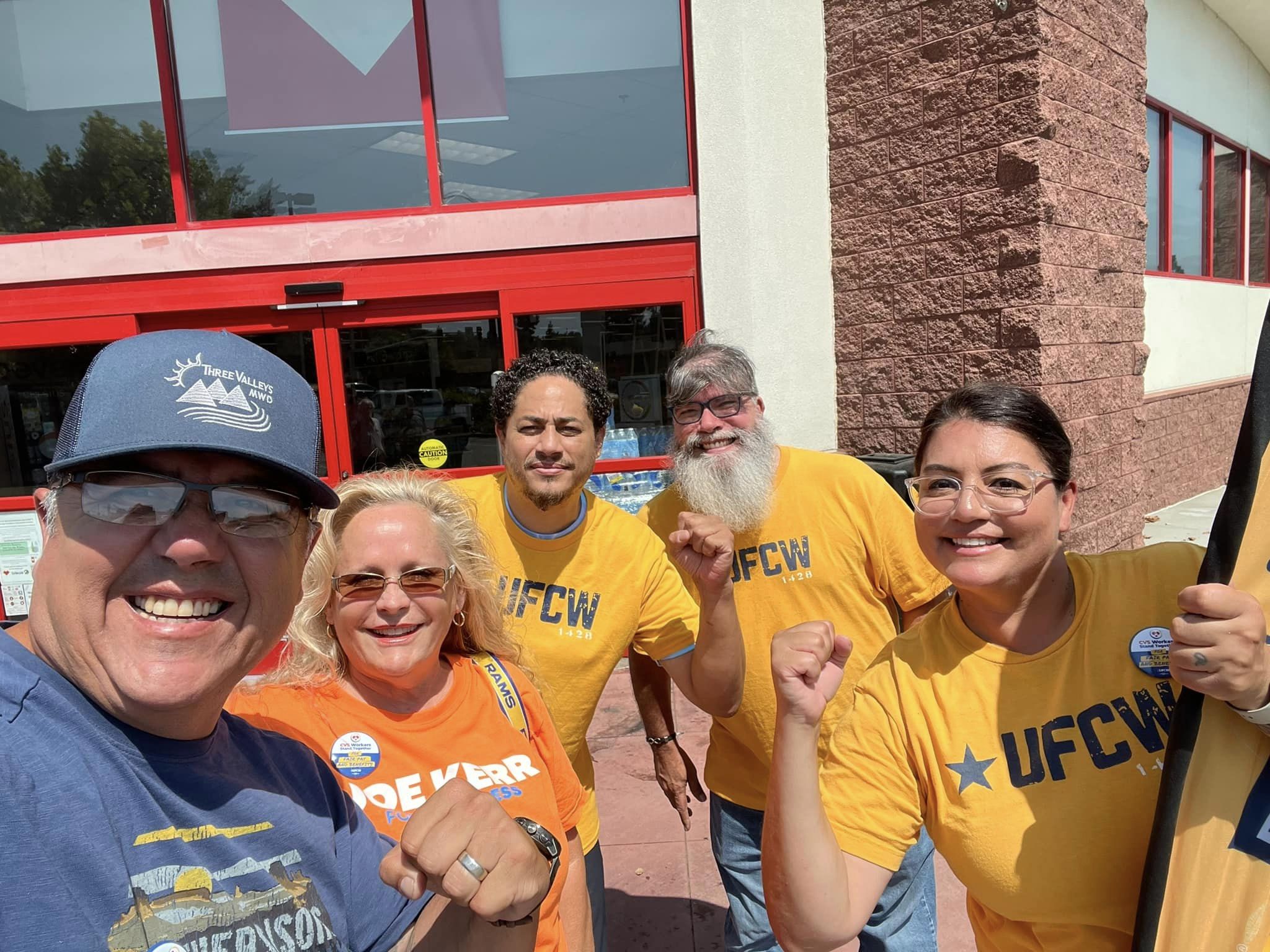
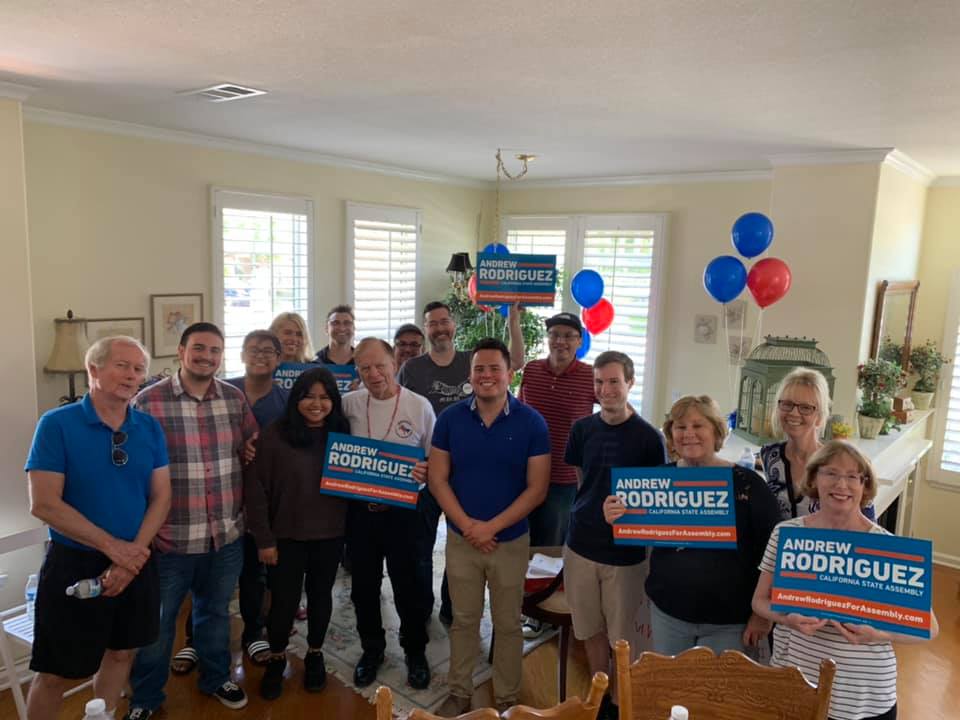
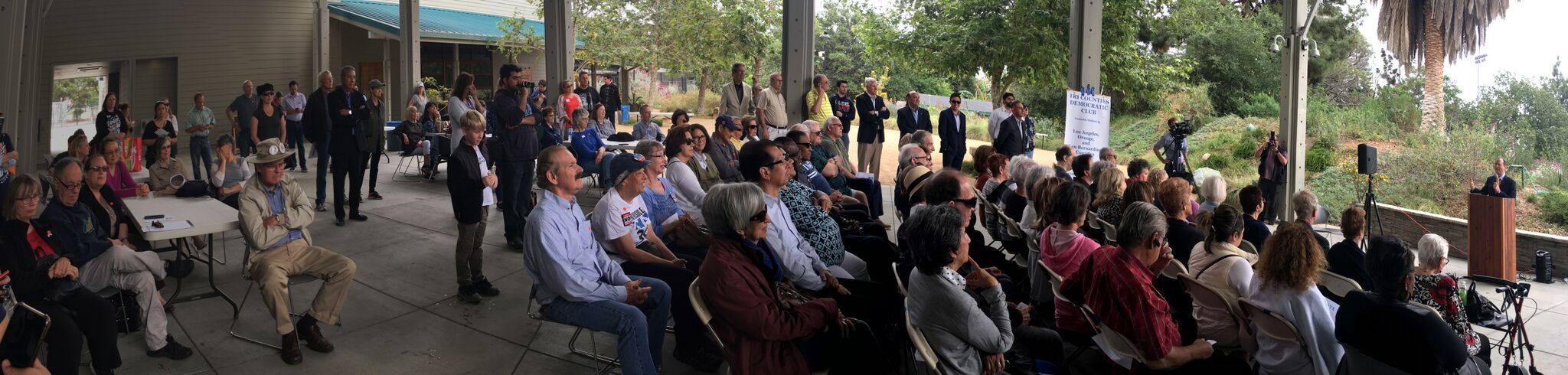
Our Team in Action!

Donate to CVD


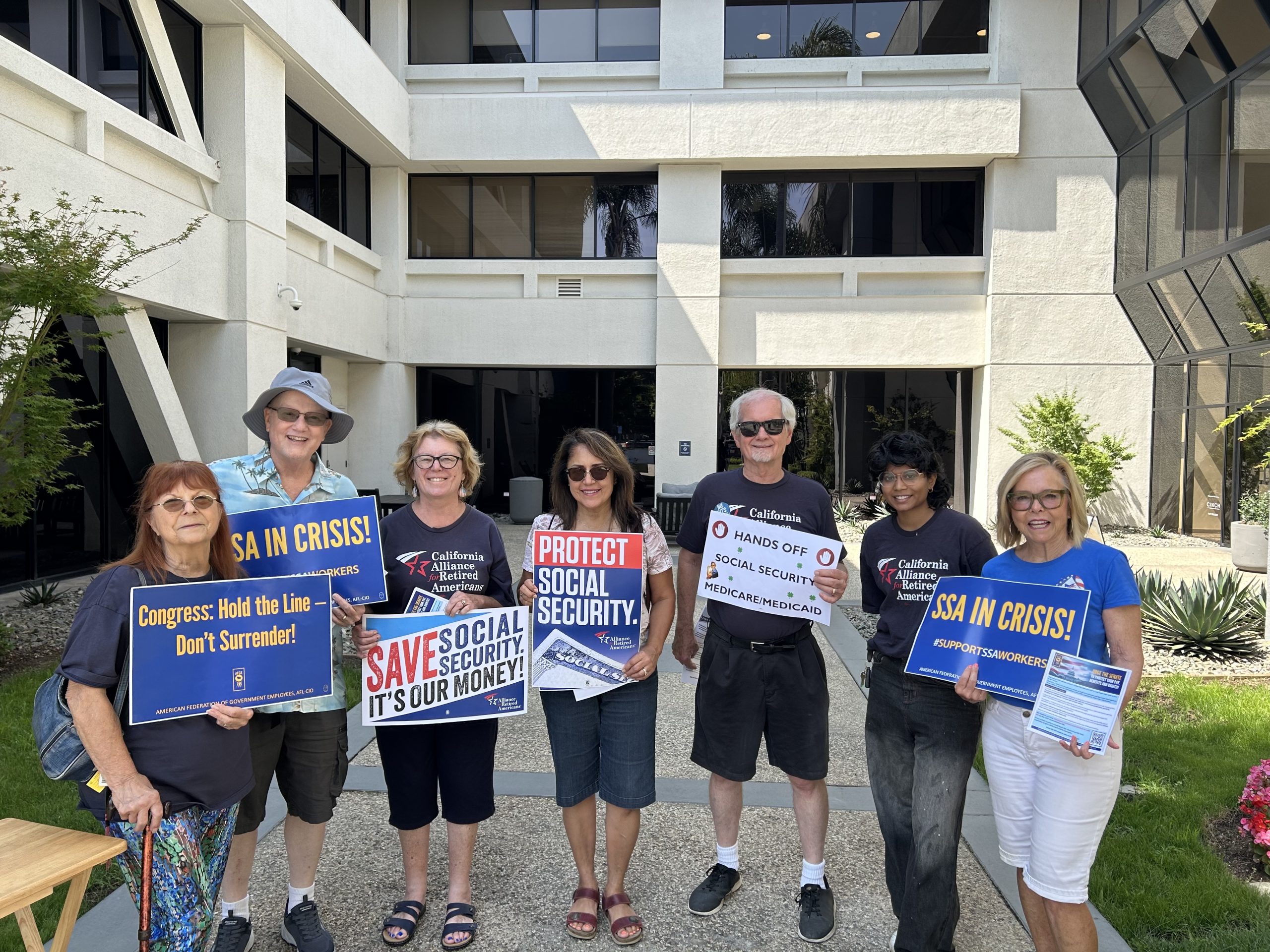
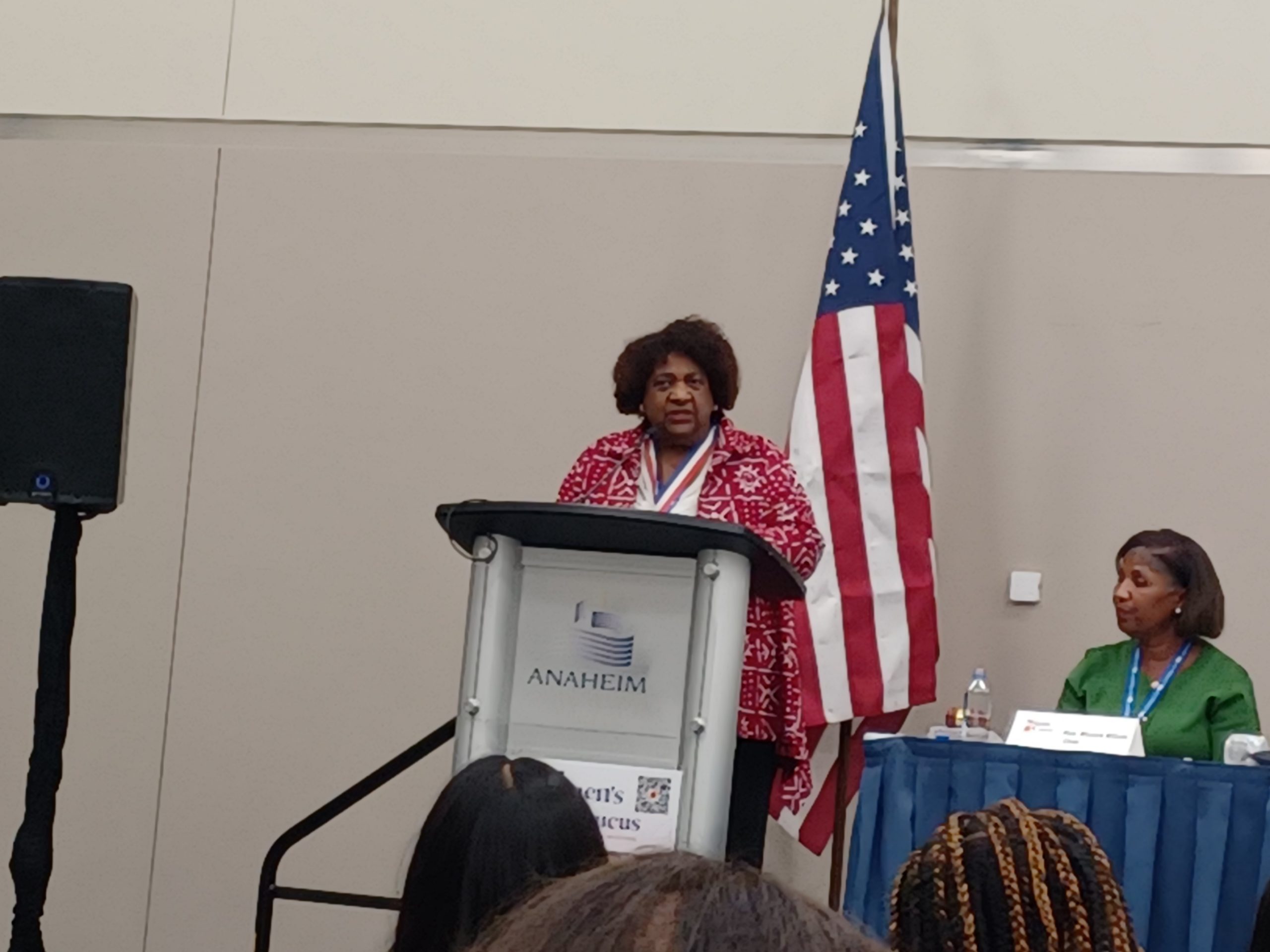
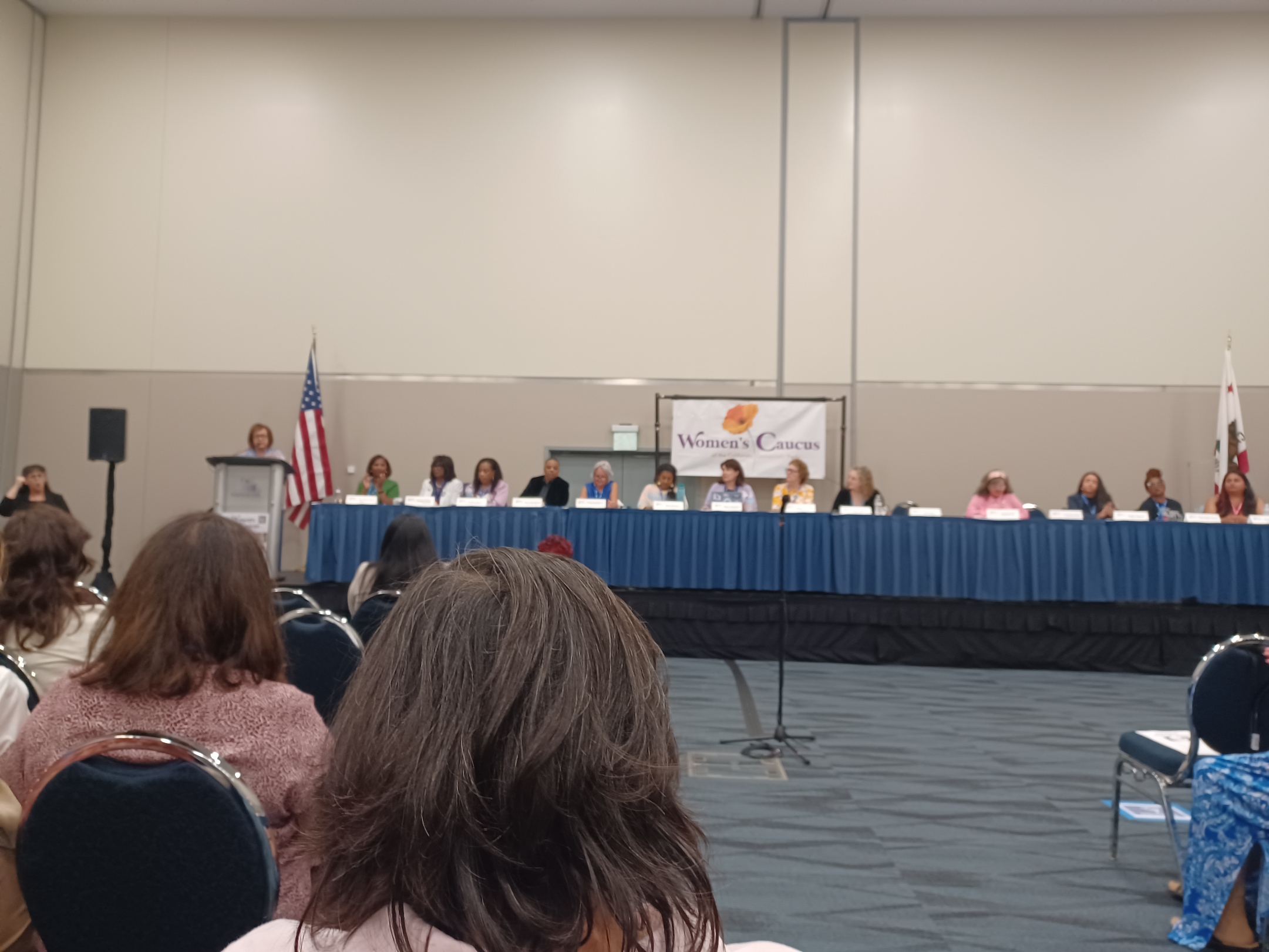
Saving social security with CARA

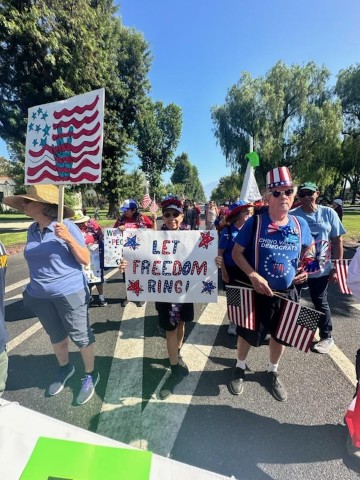
Marching in the Ontario July 4th parade!

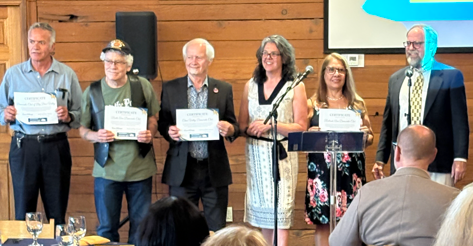
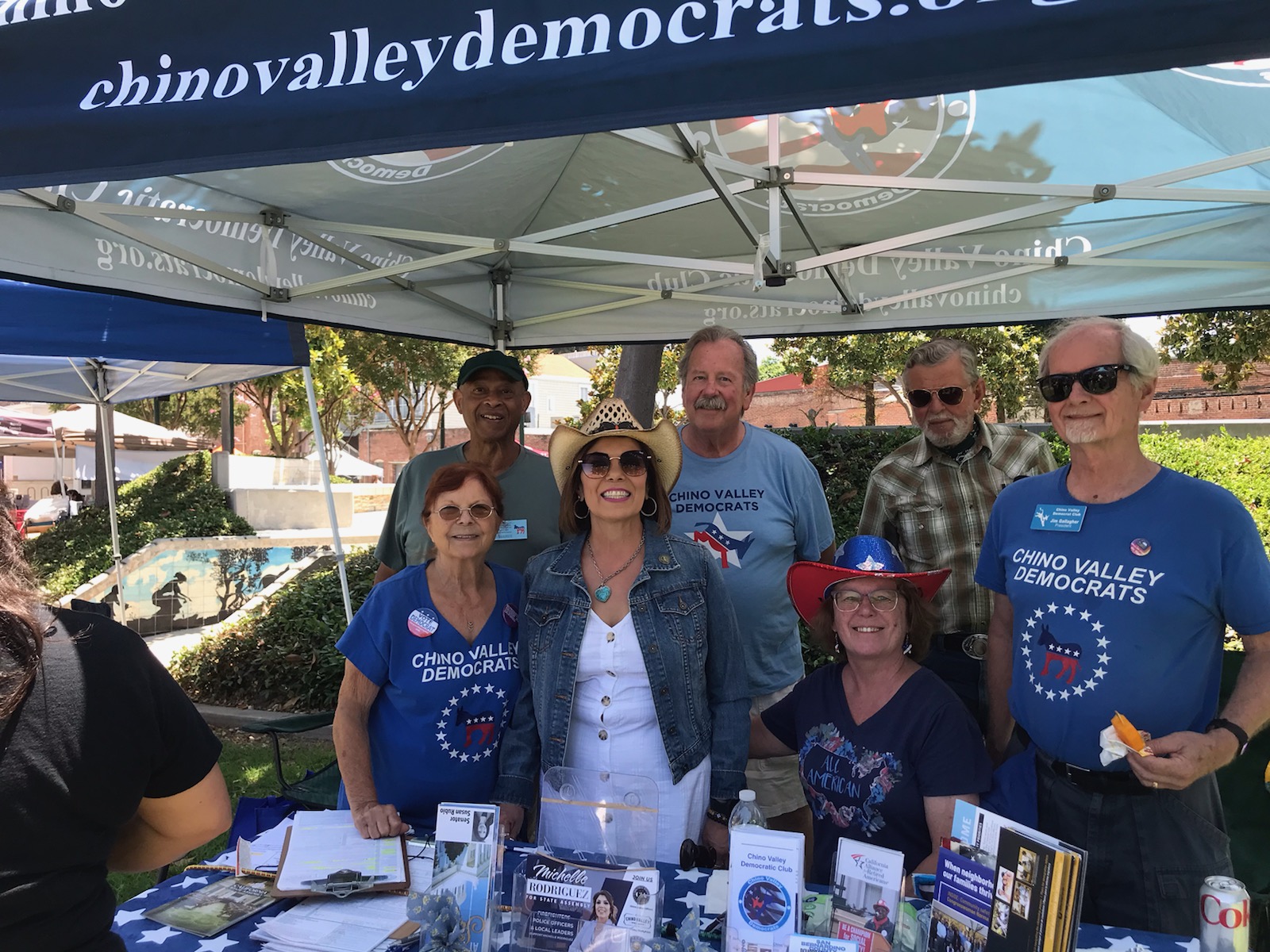
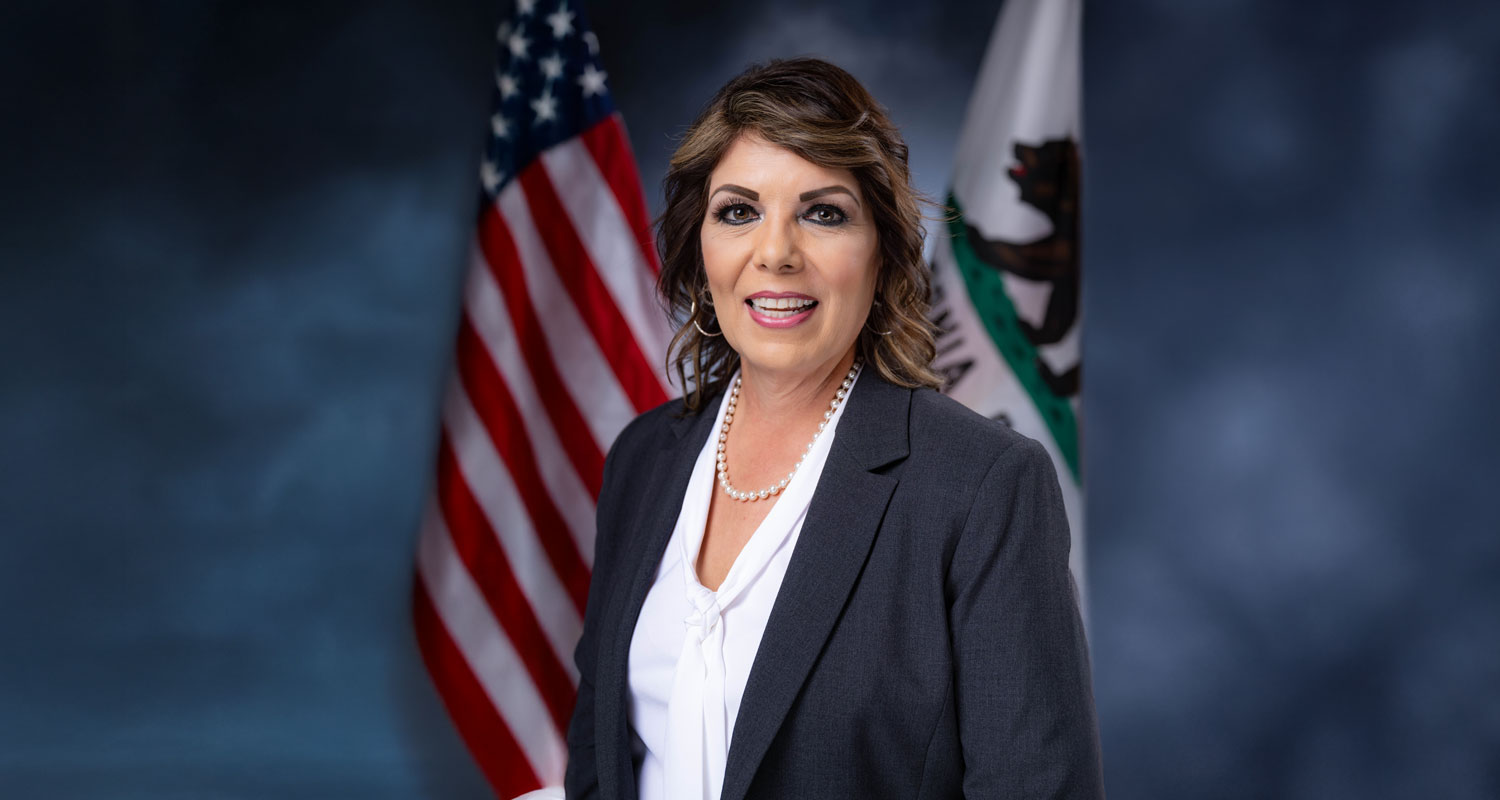
Thank you Assembly 53 representative Michelle Rodriguez for your service!

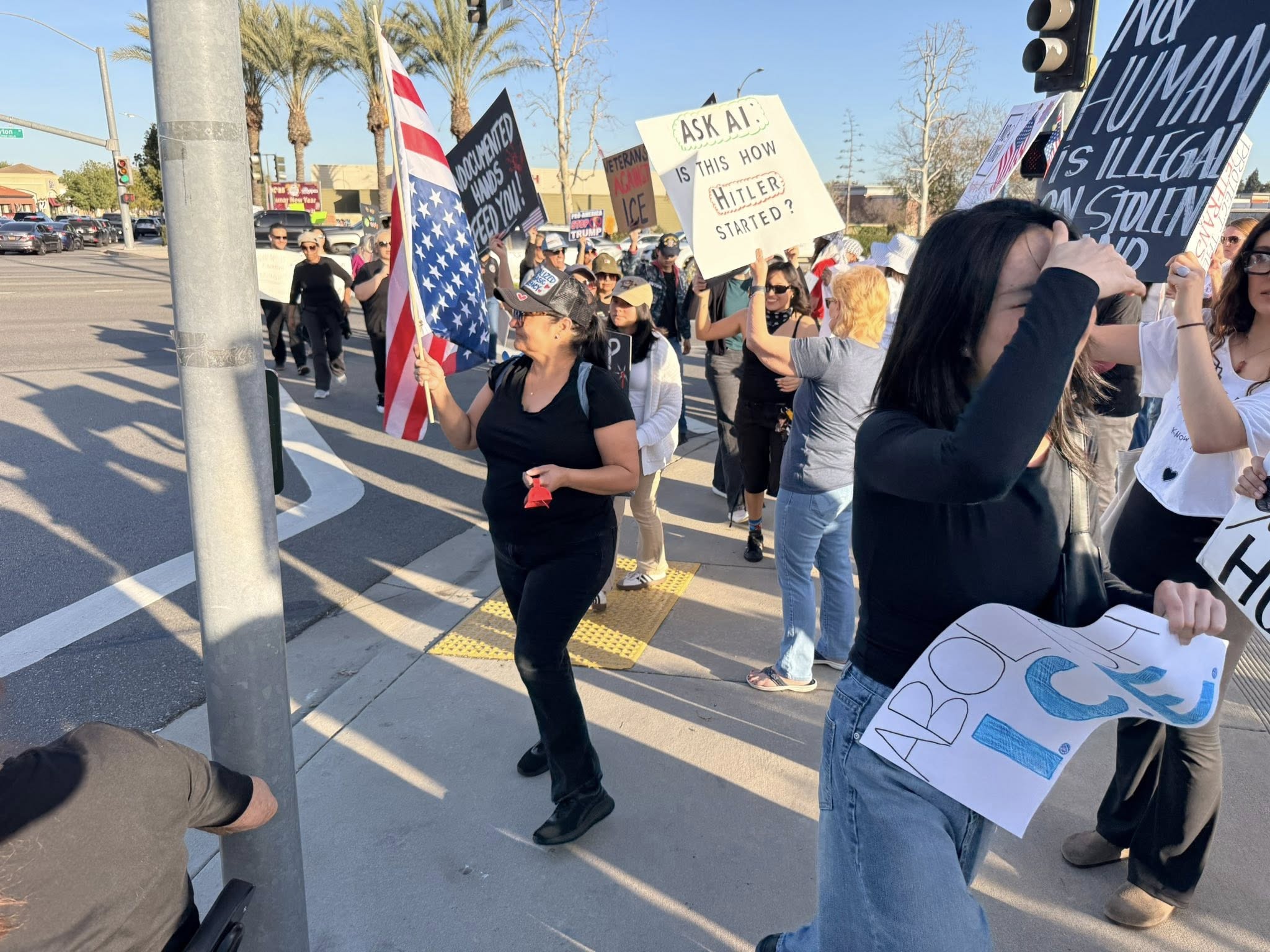
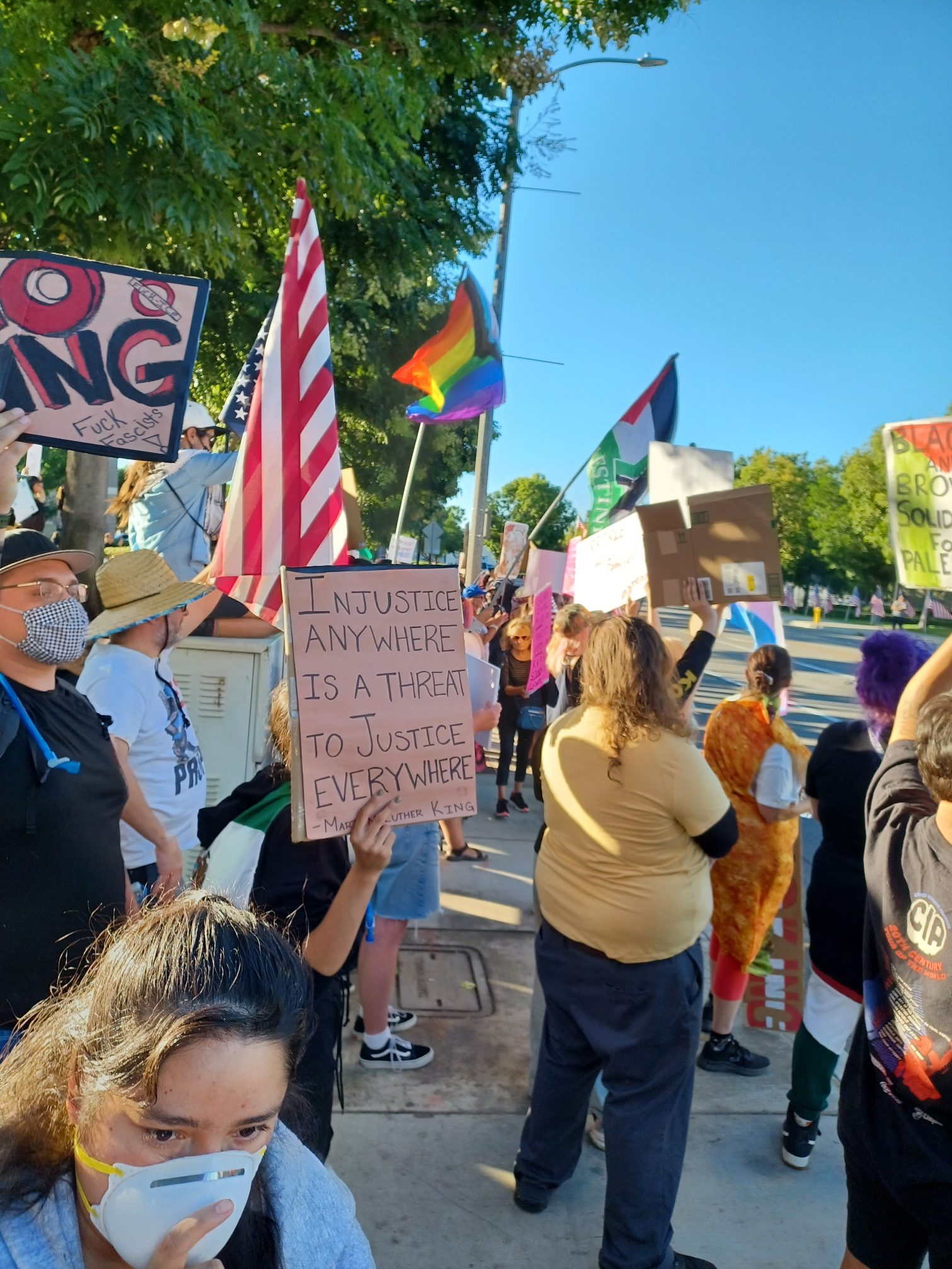
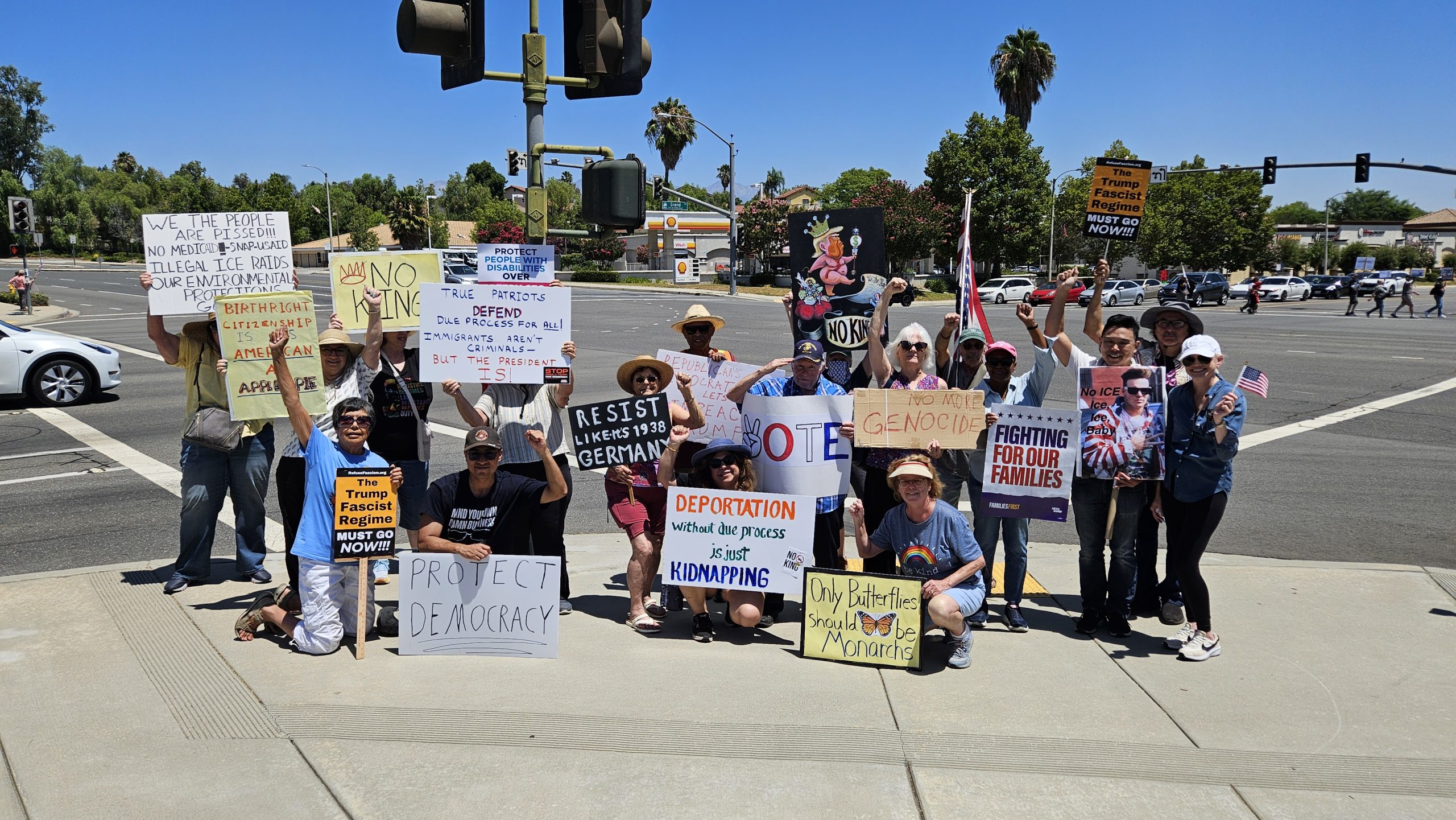
Rage Against the Machine!

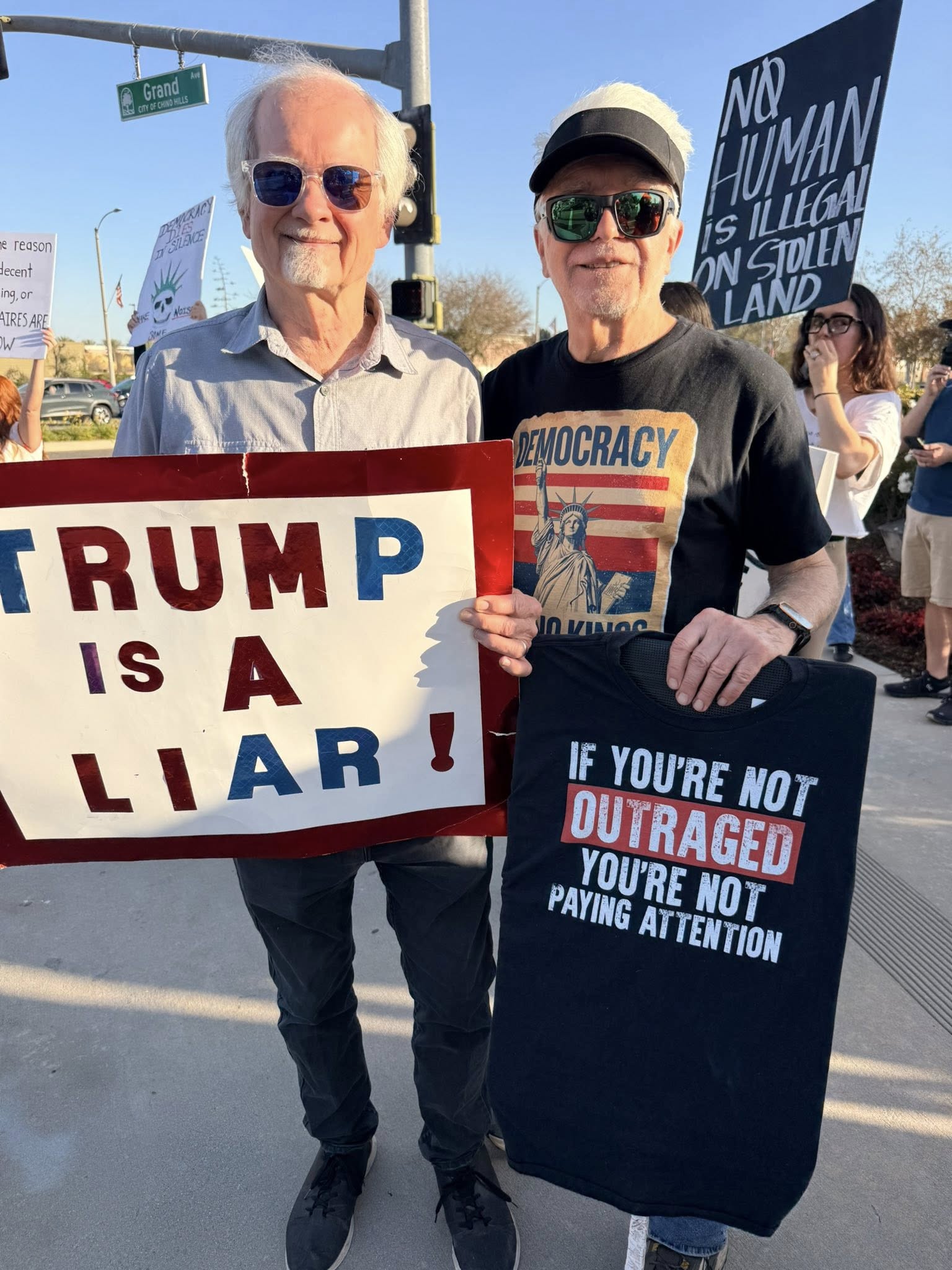
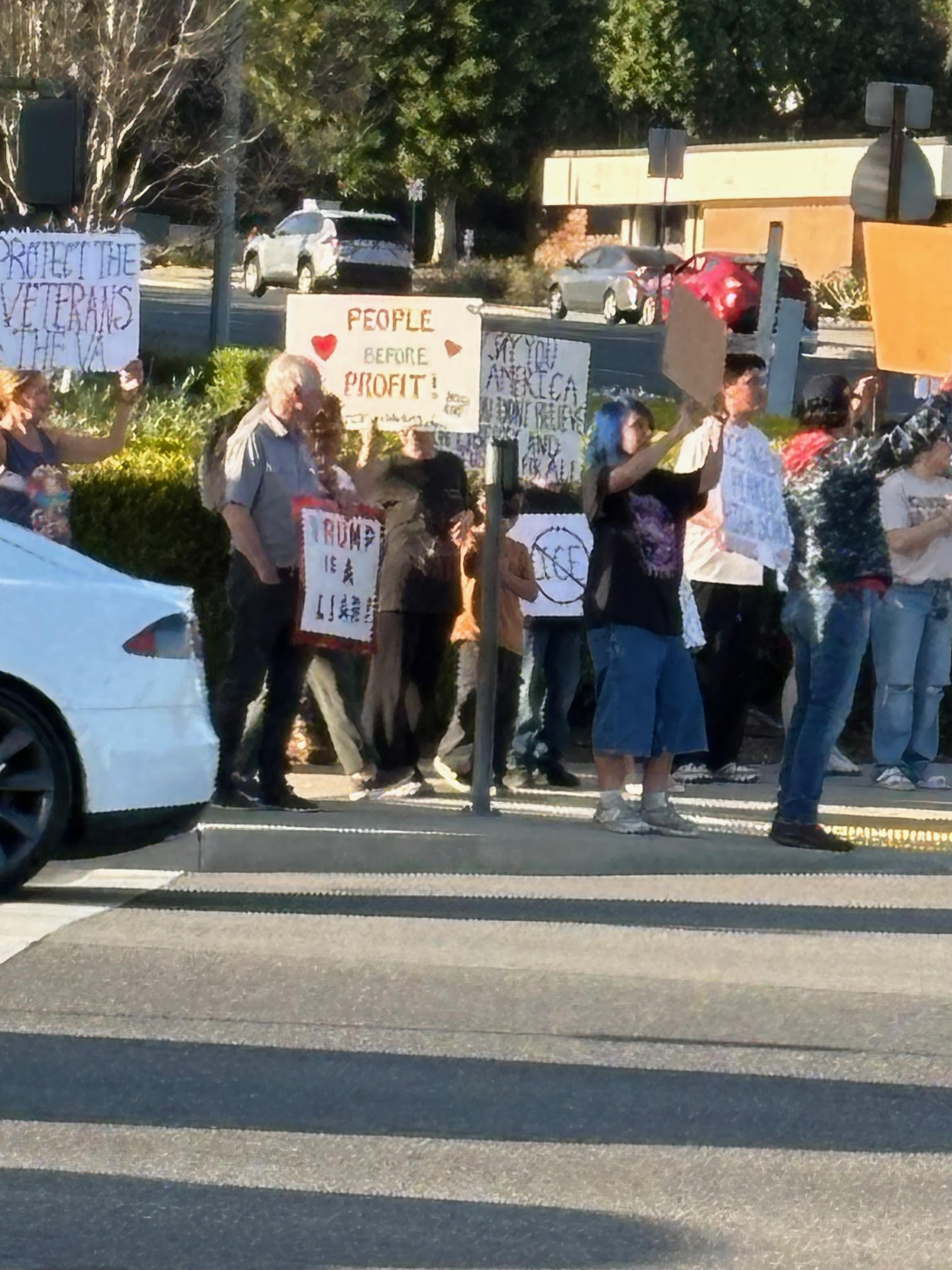
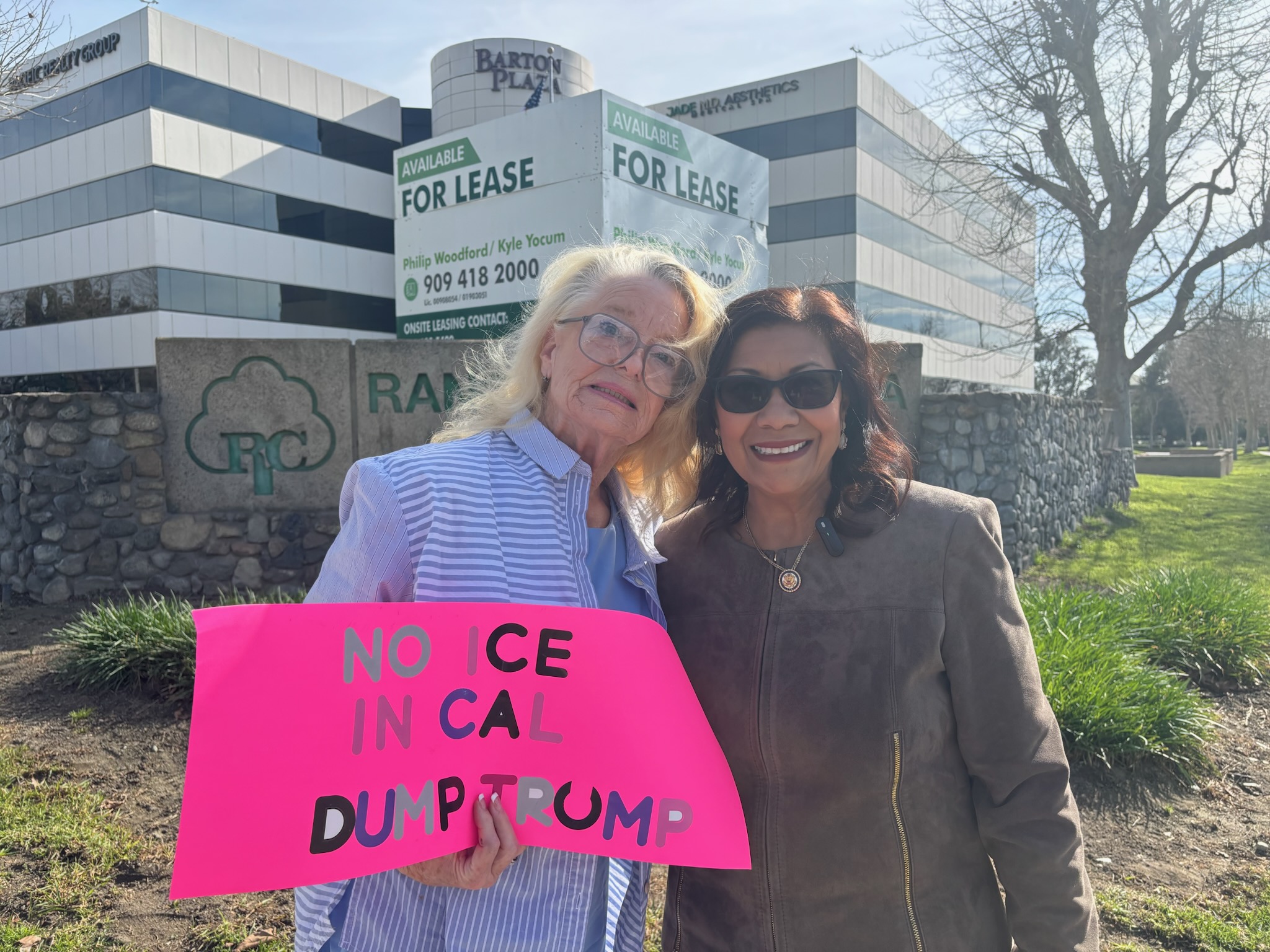
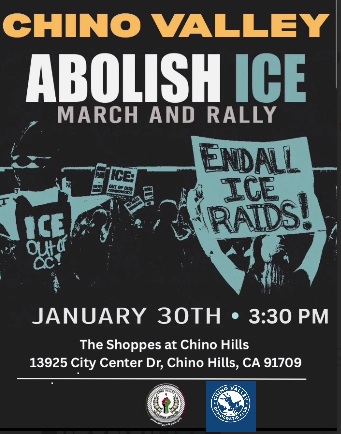
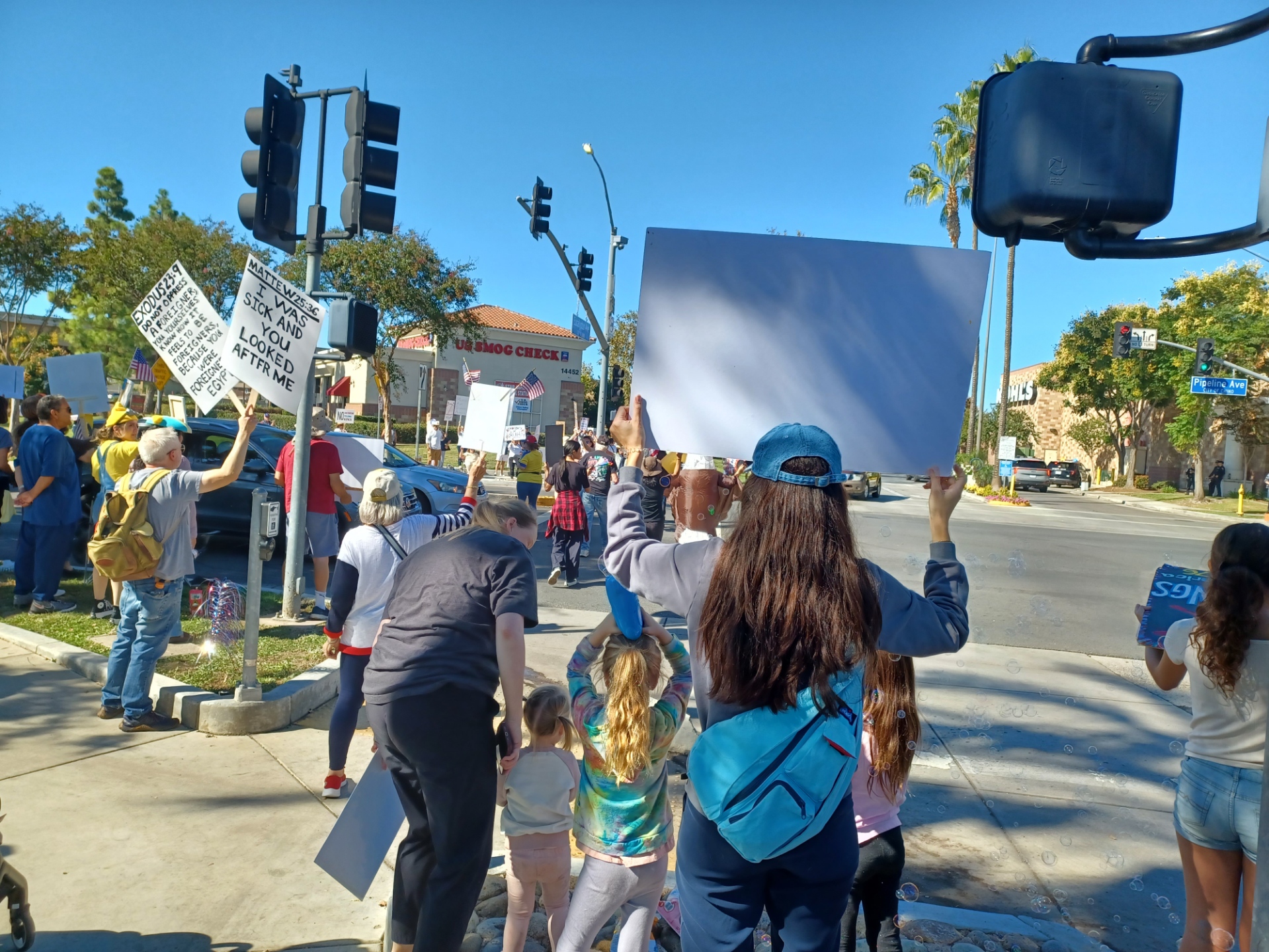
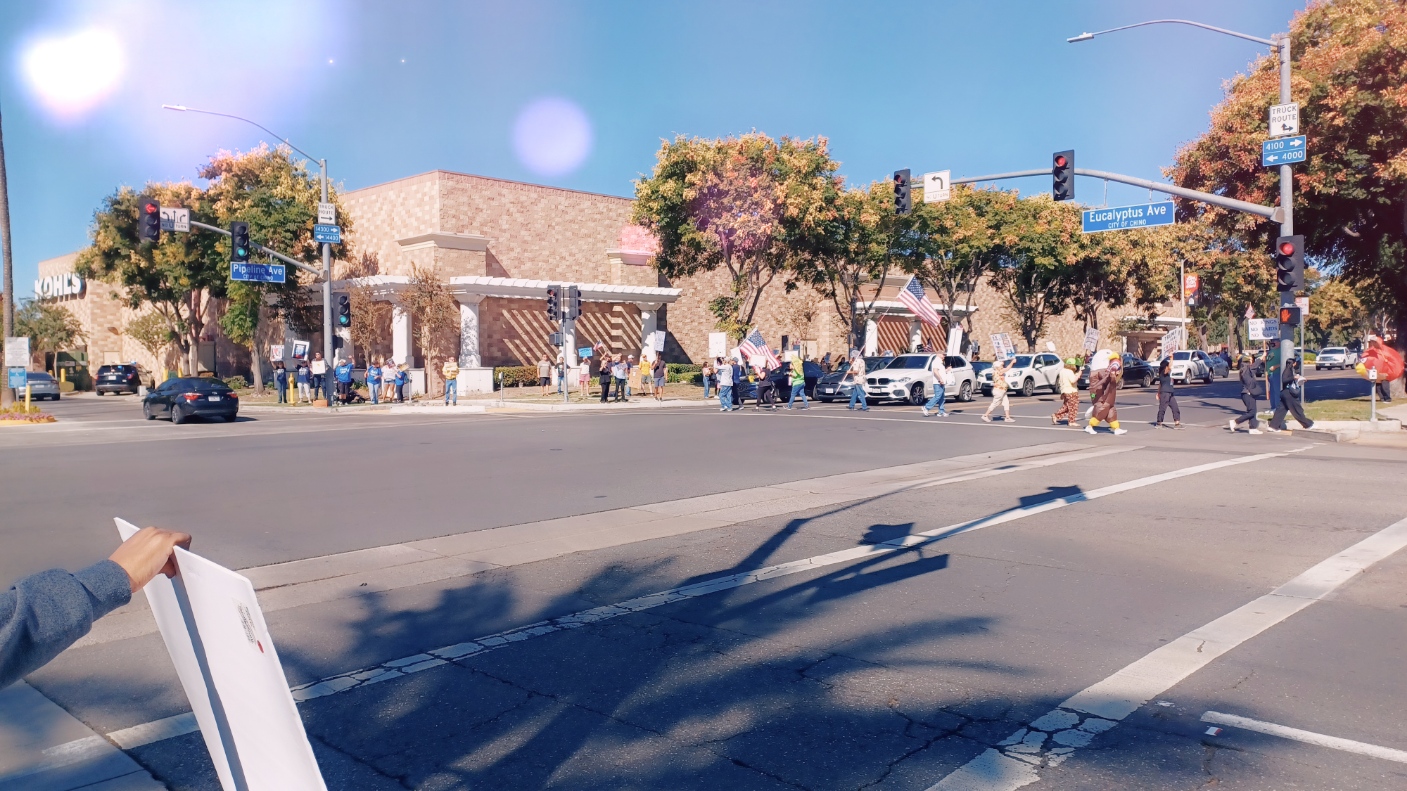
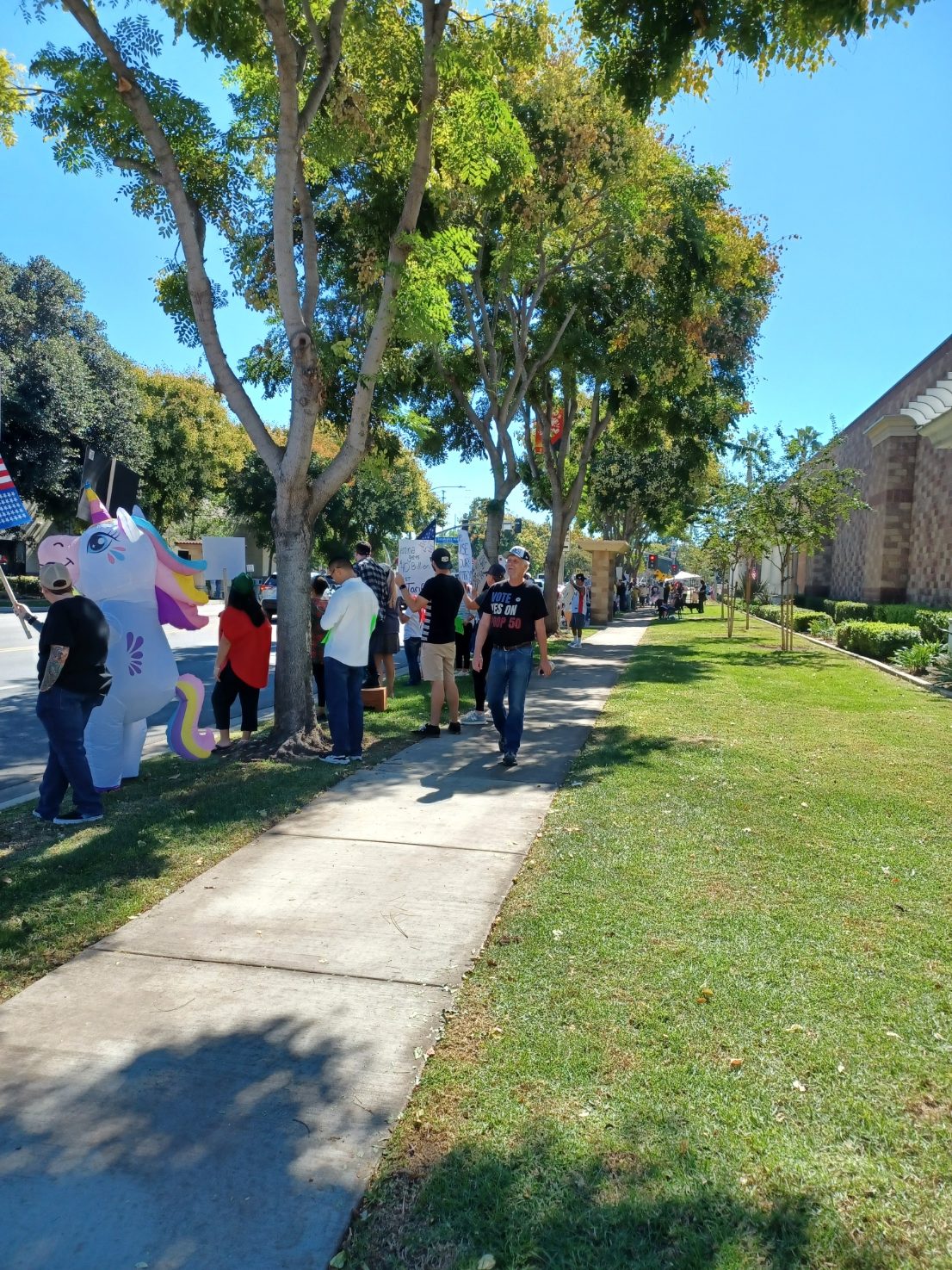
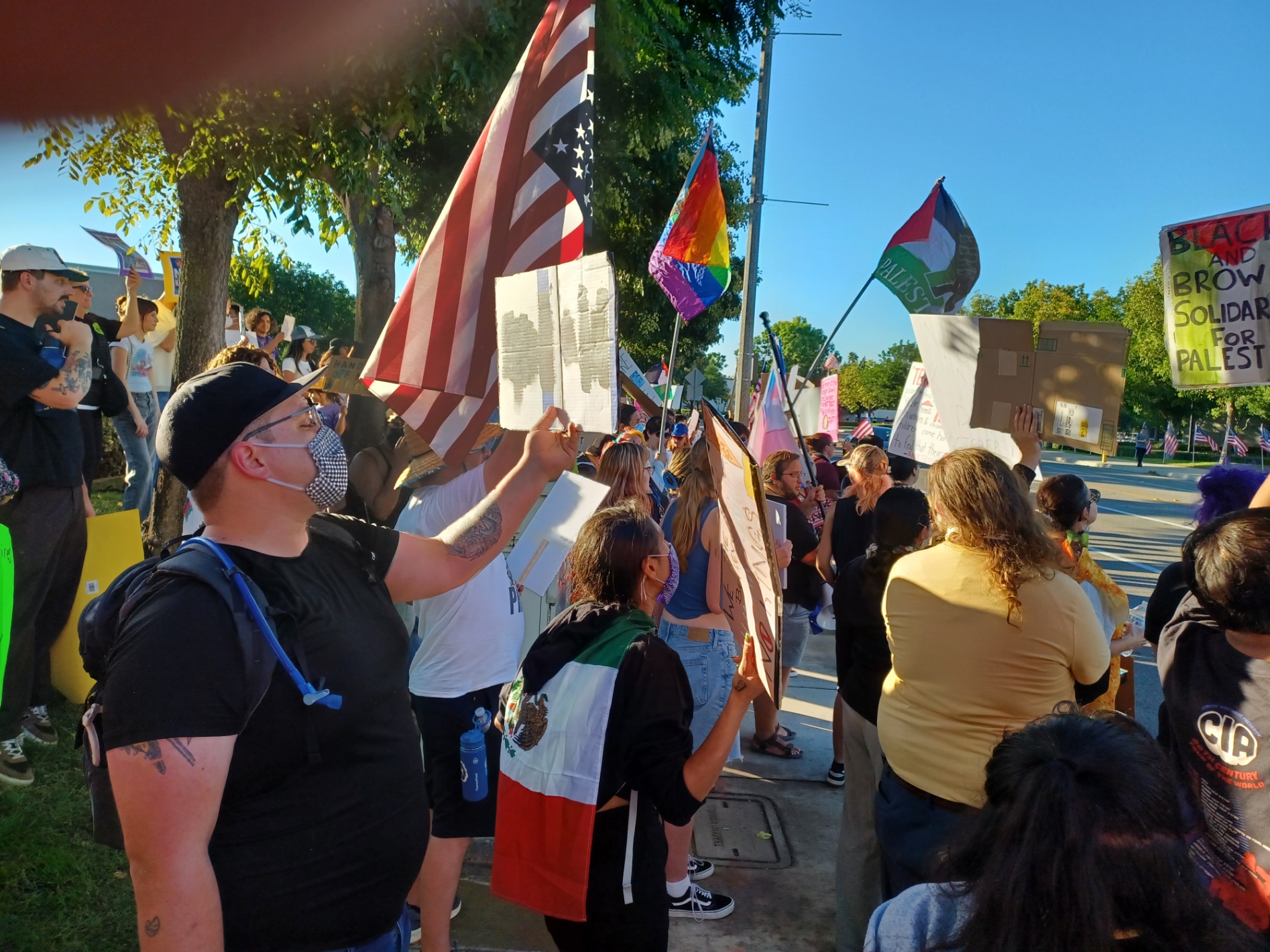
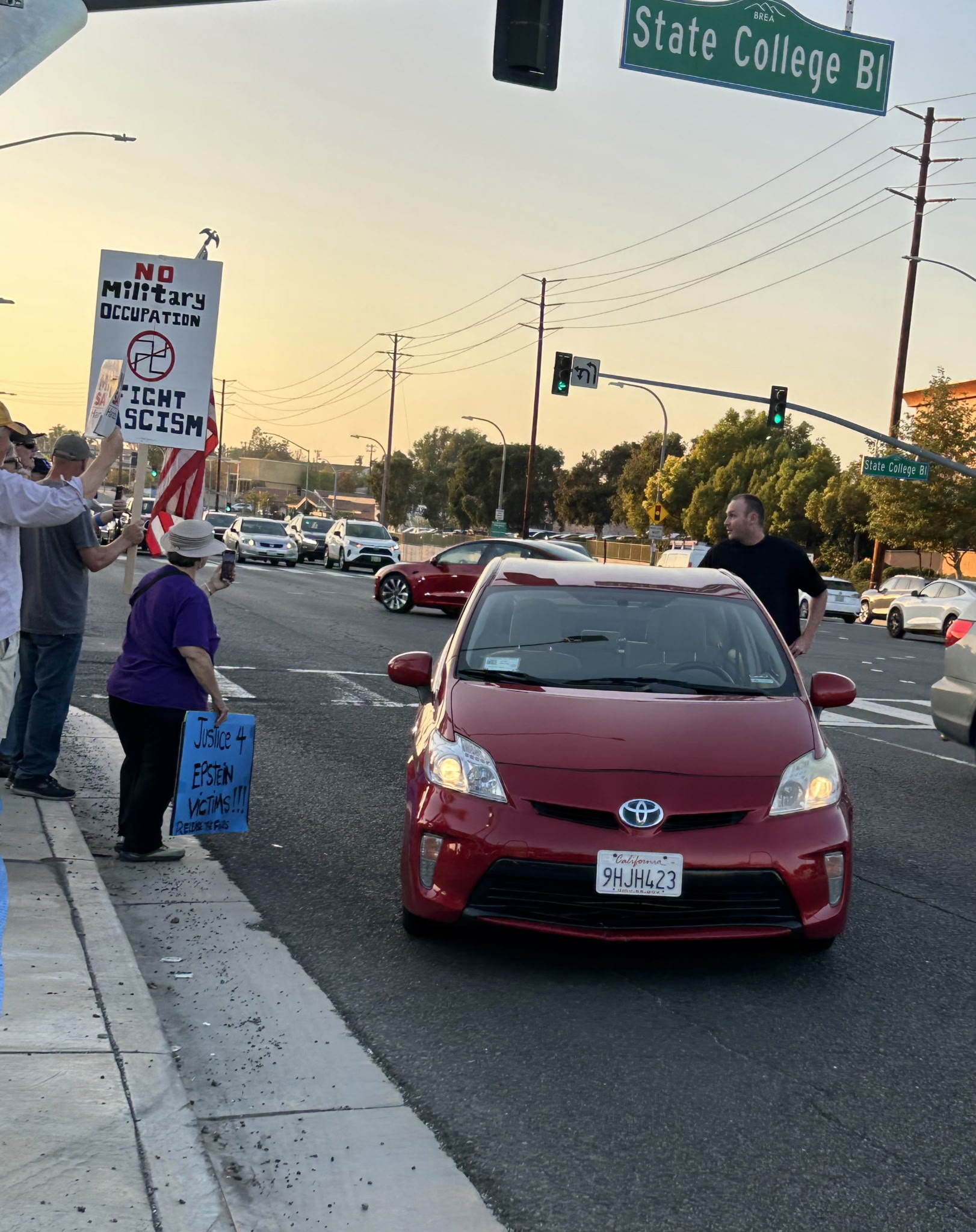
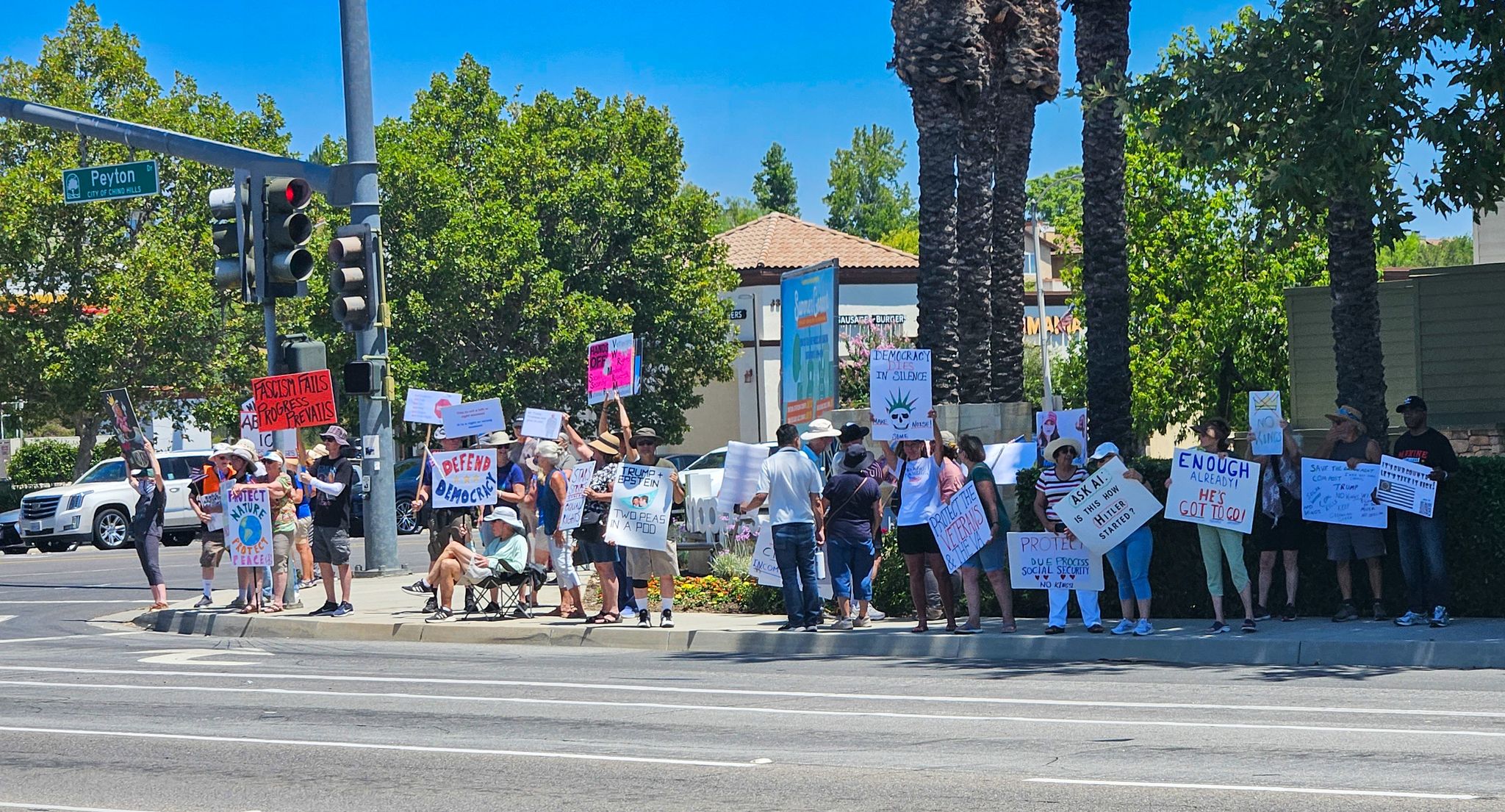
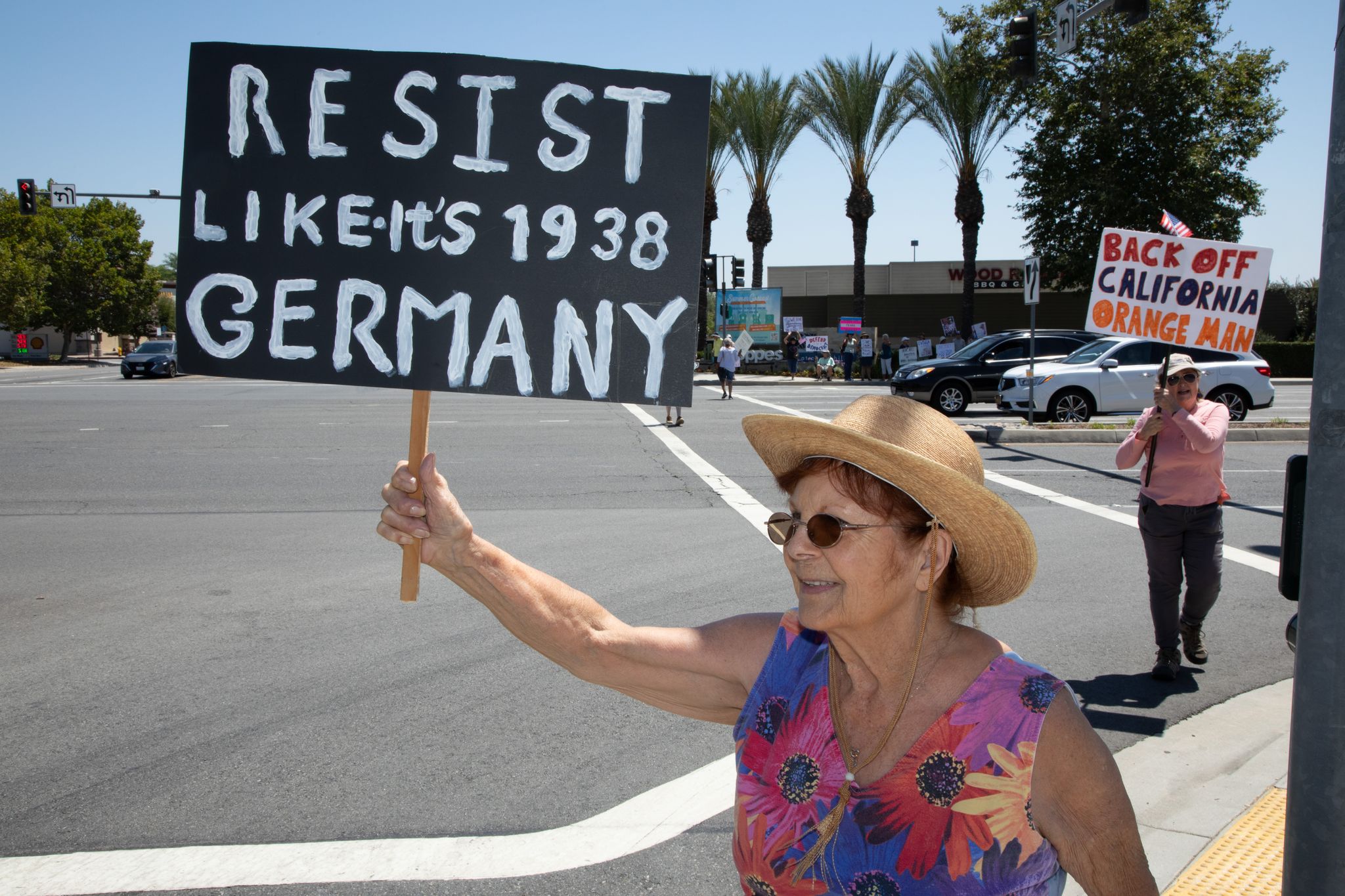
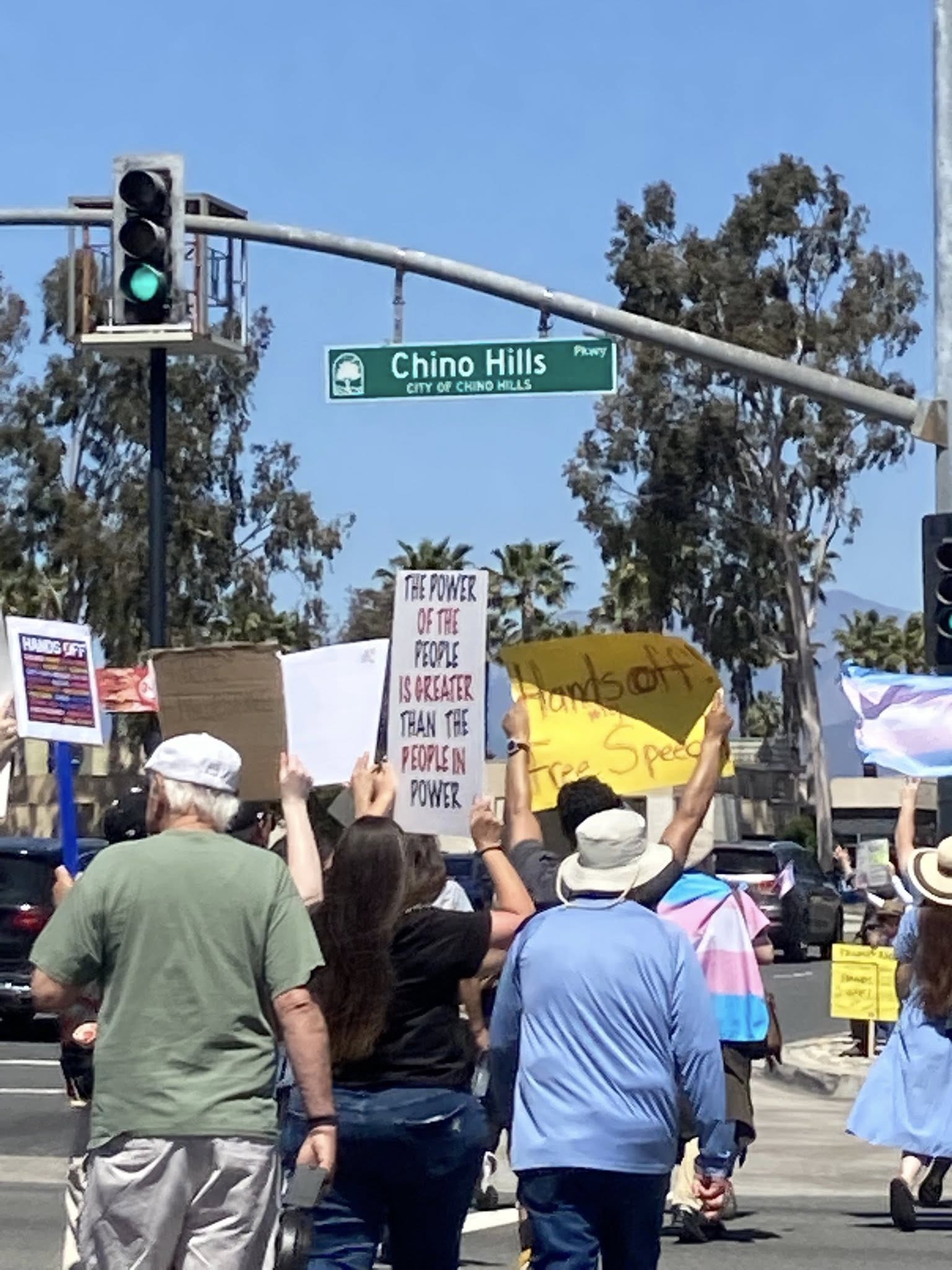
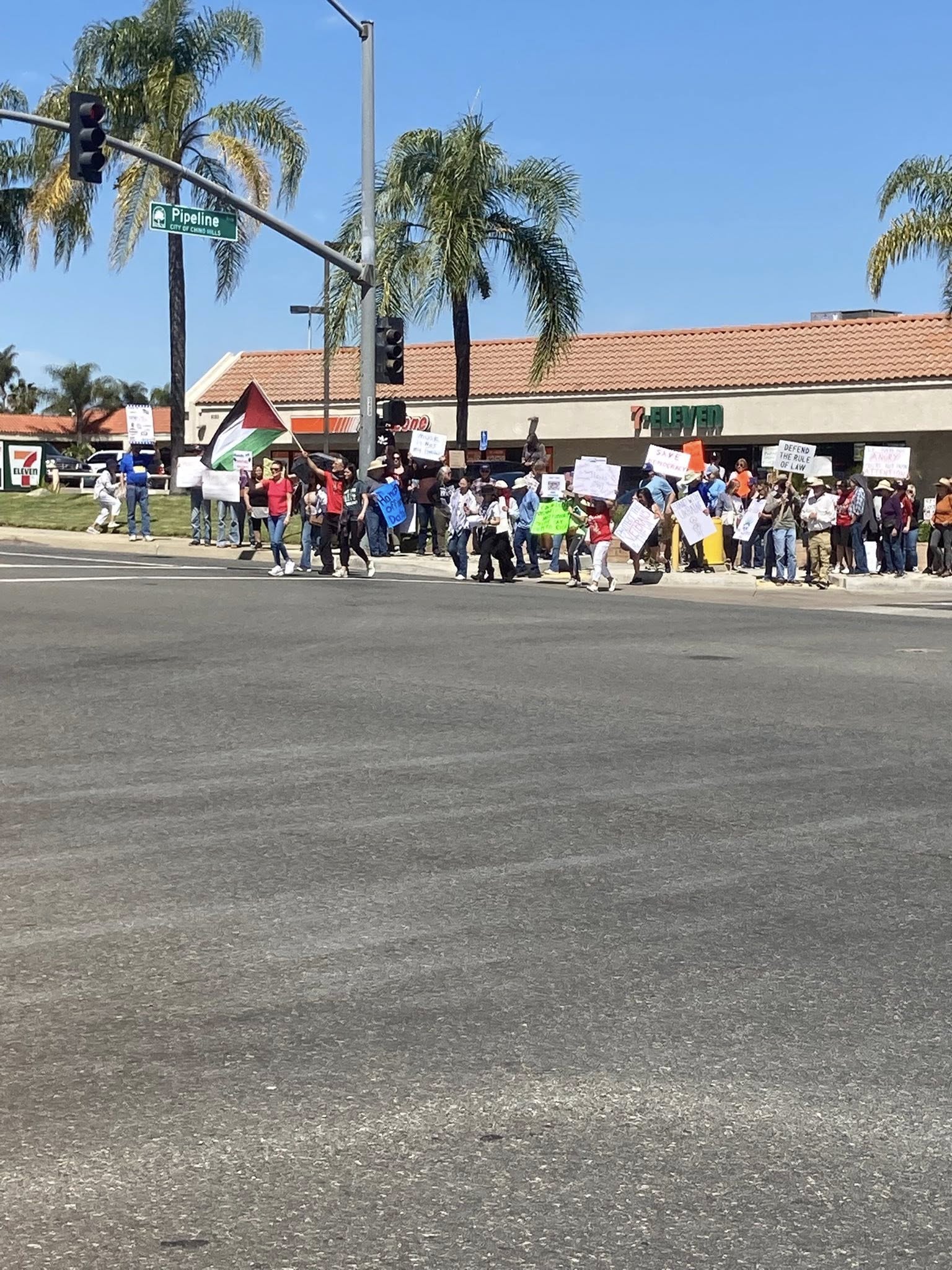
Rally in Chino Hiills

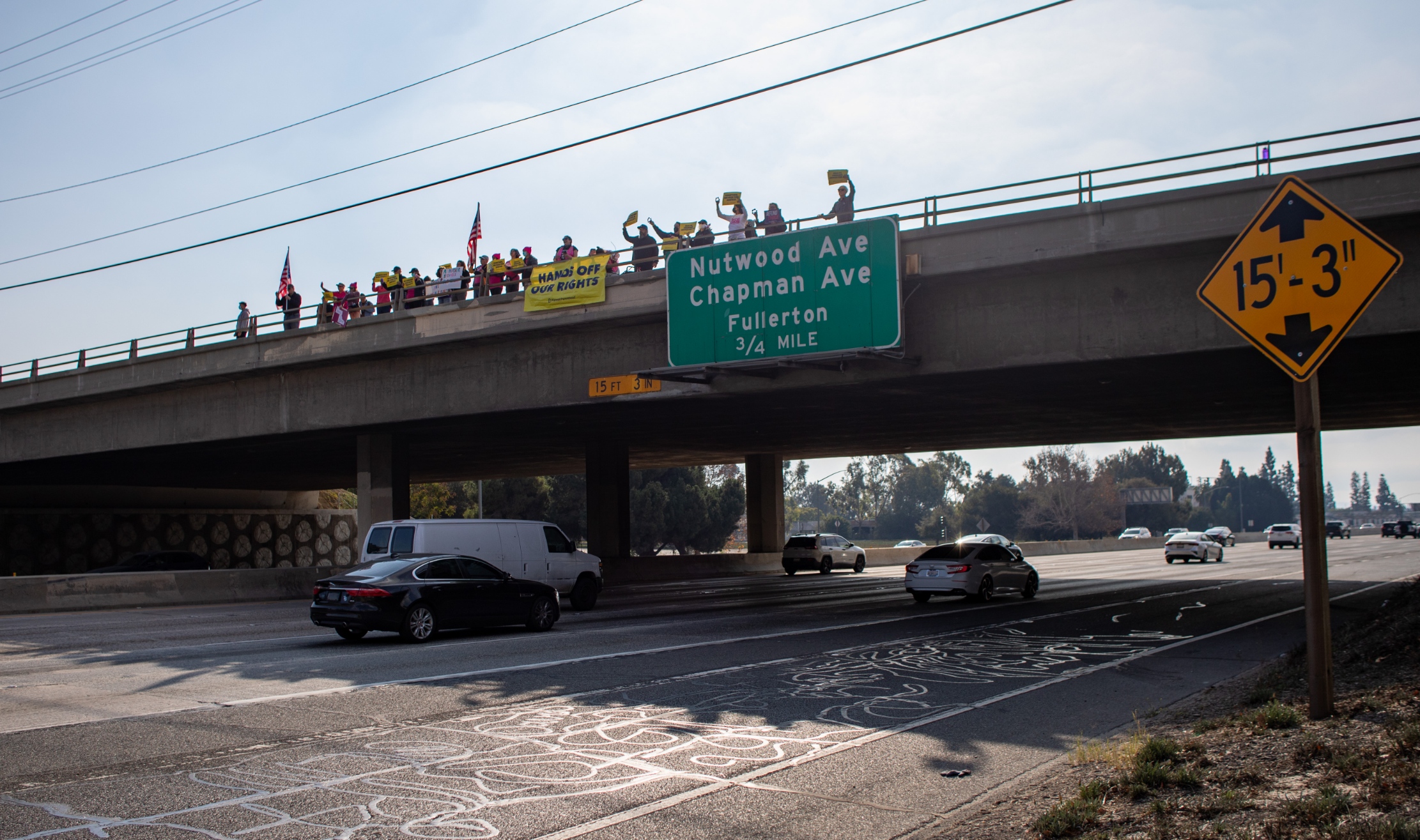
Car horns honk back in appreciation!

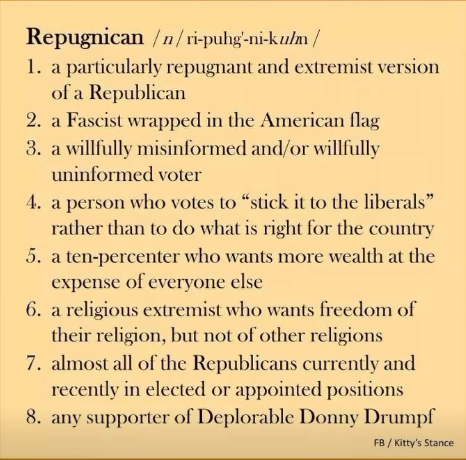
A warning!

Join us!

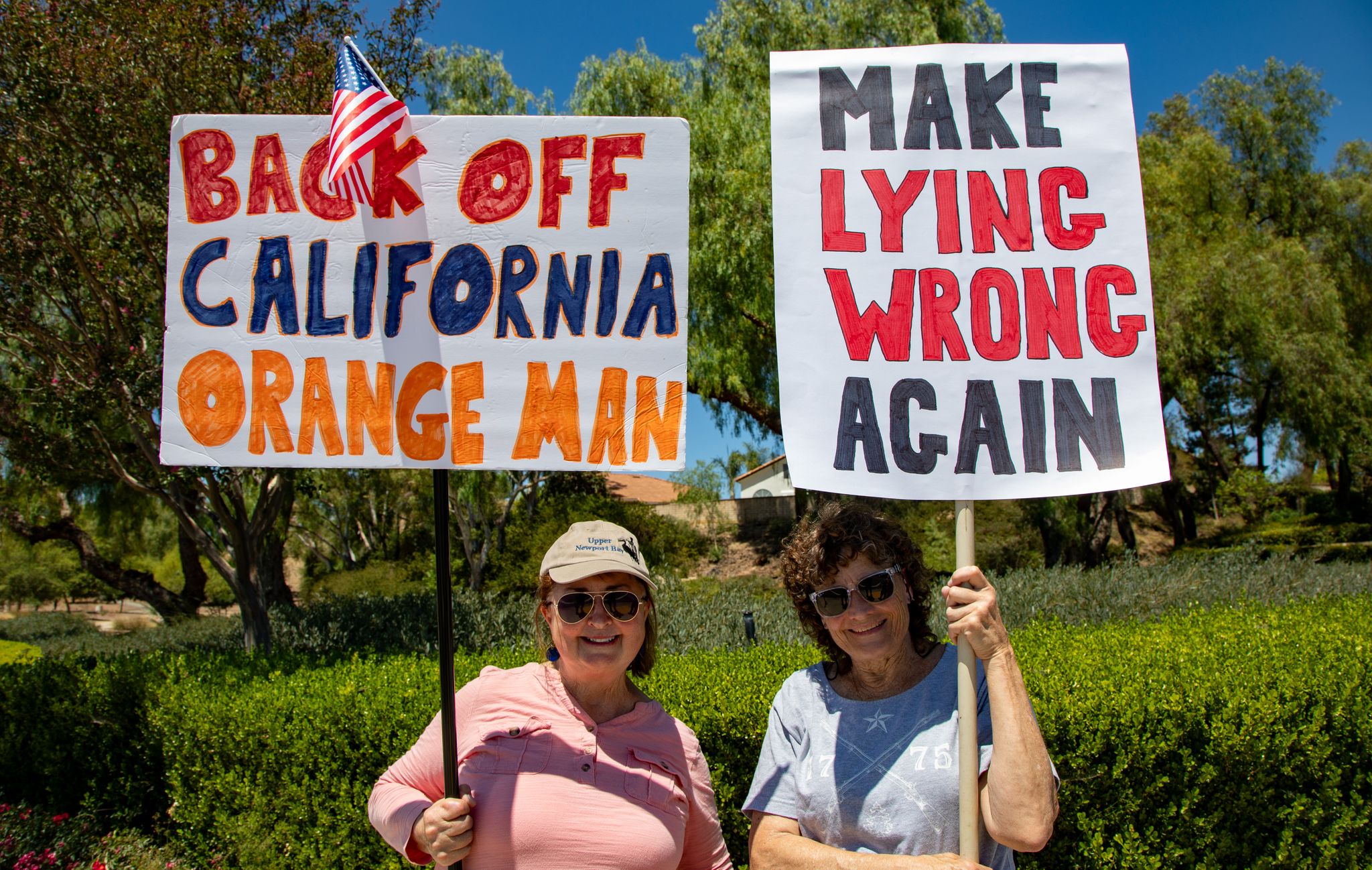
Since when is bullying, massive fraud, and lies ok?

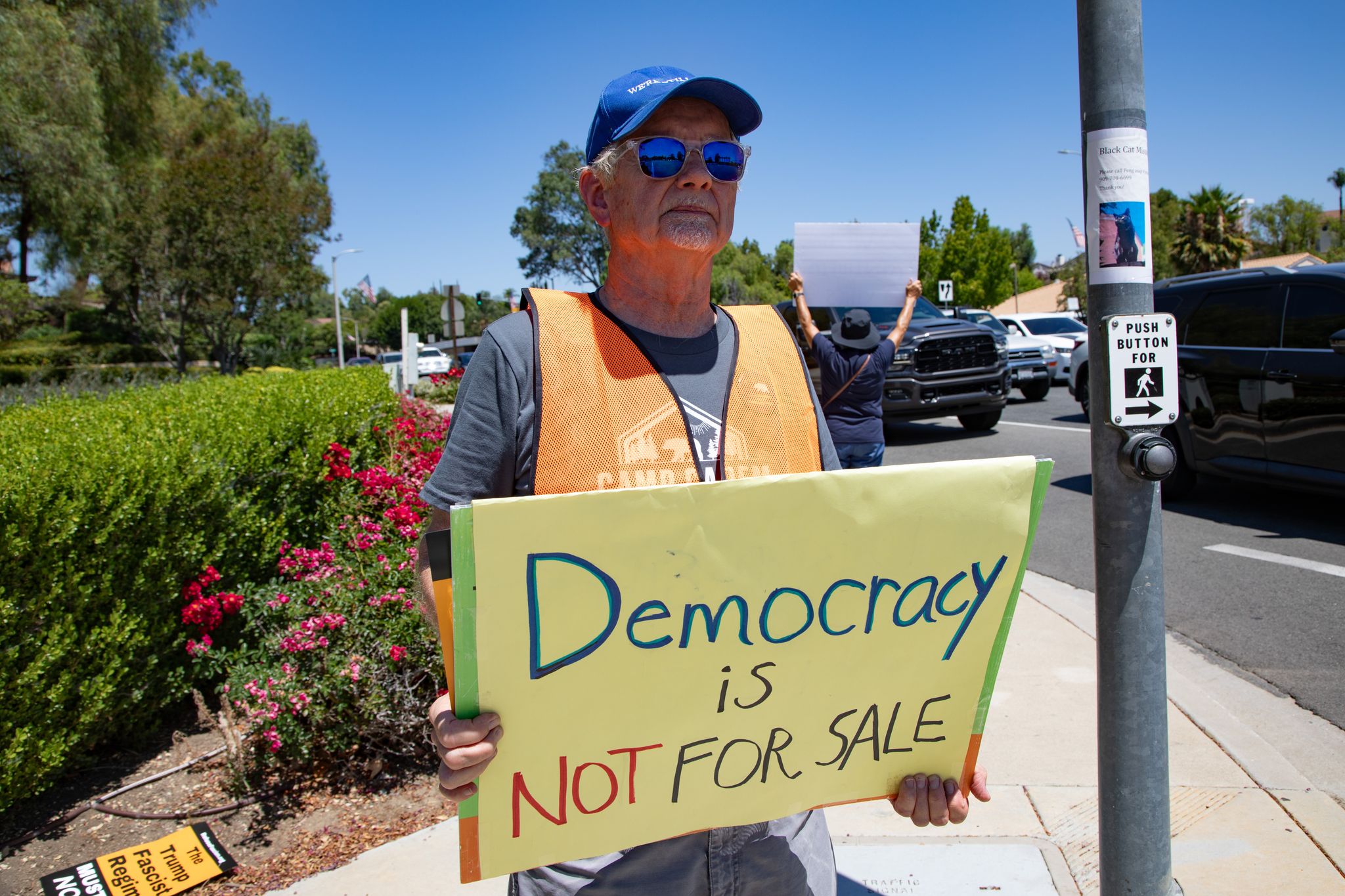
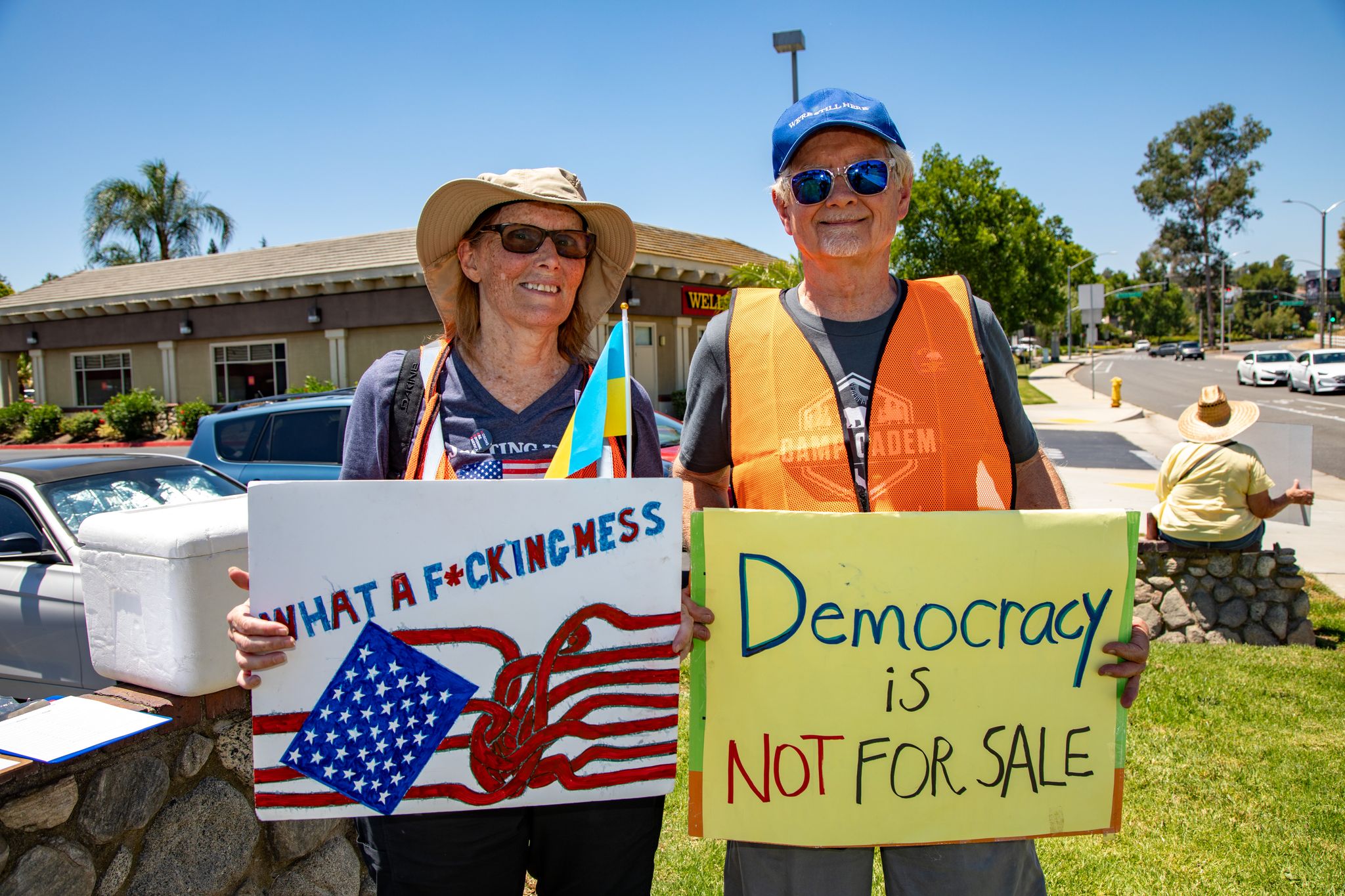
Never will be for sale if we can help it!

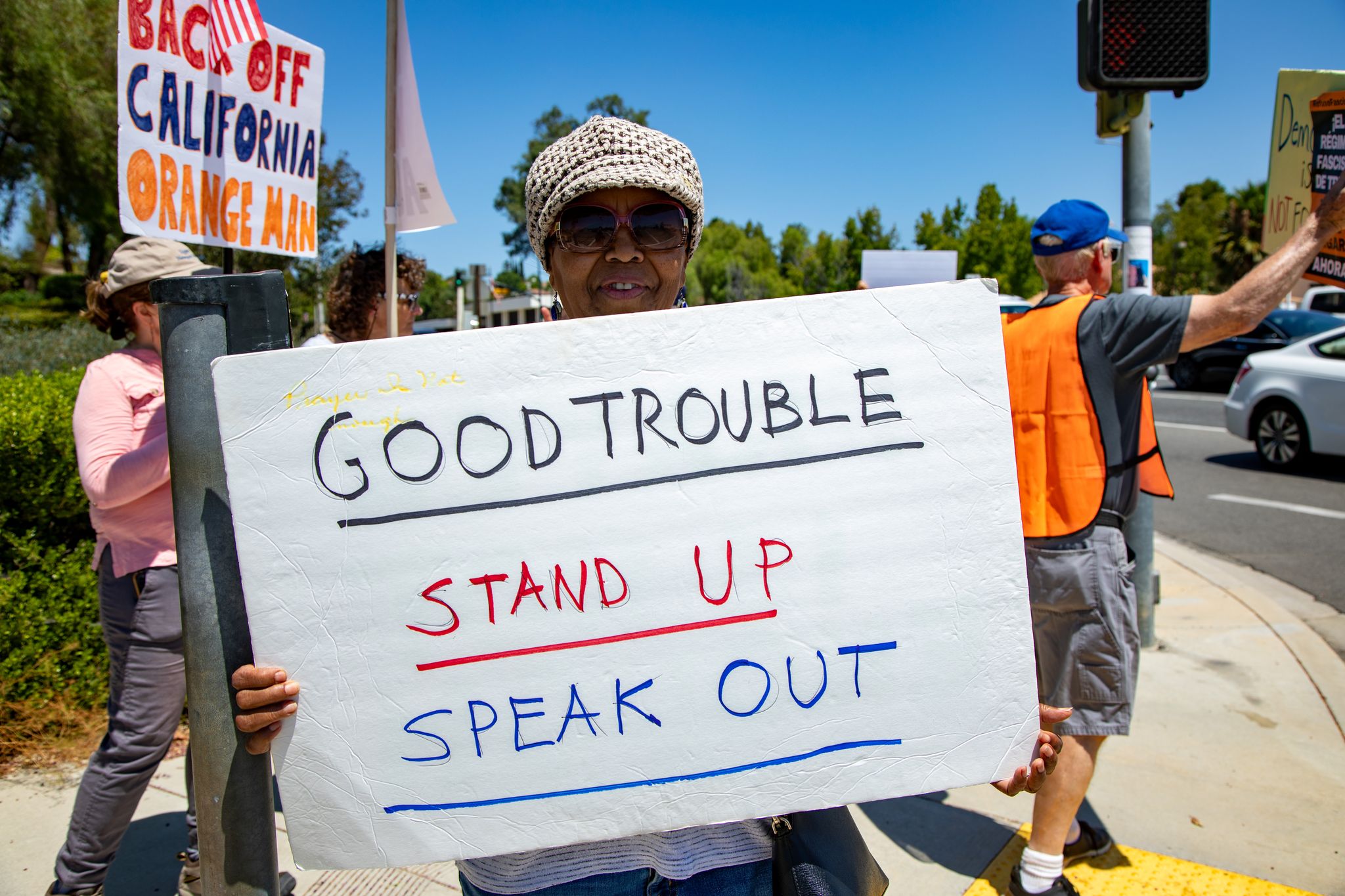
More voices make a difference

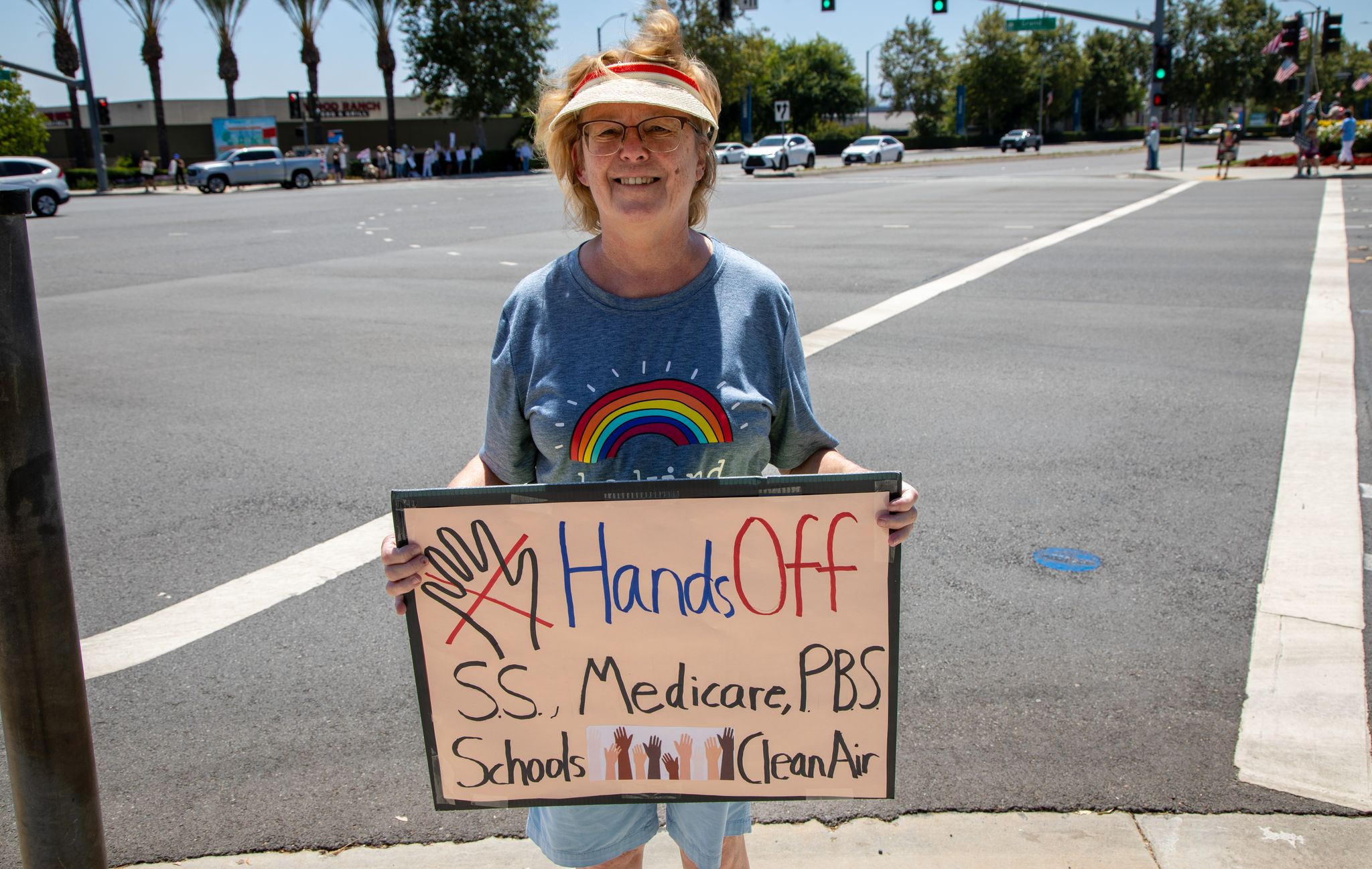
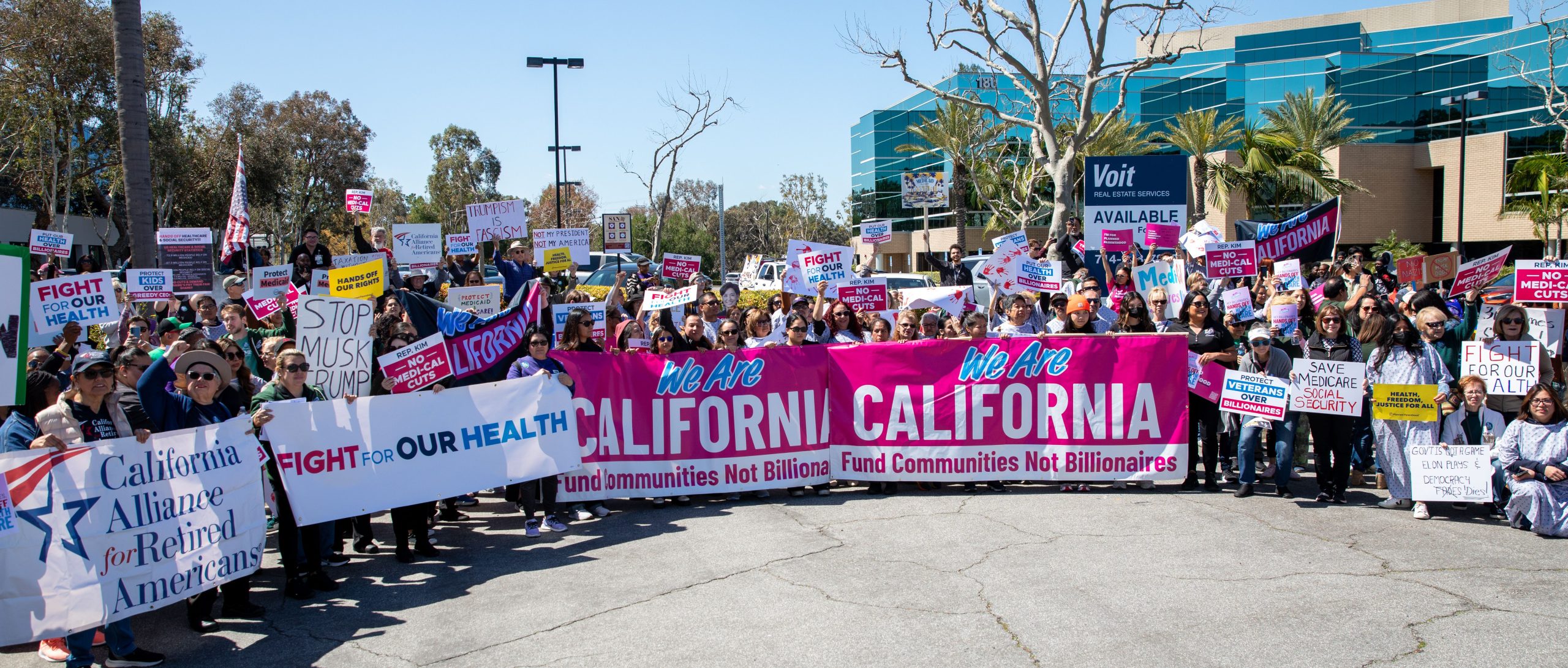
Hands off!

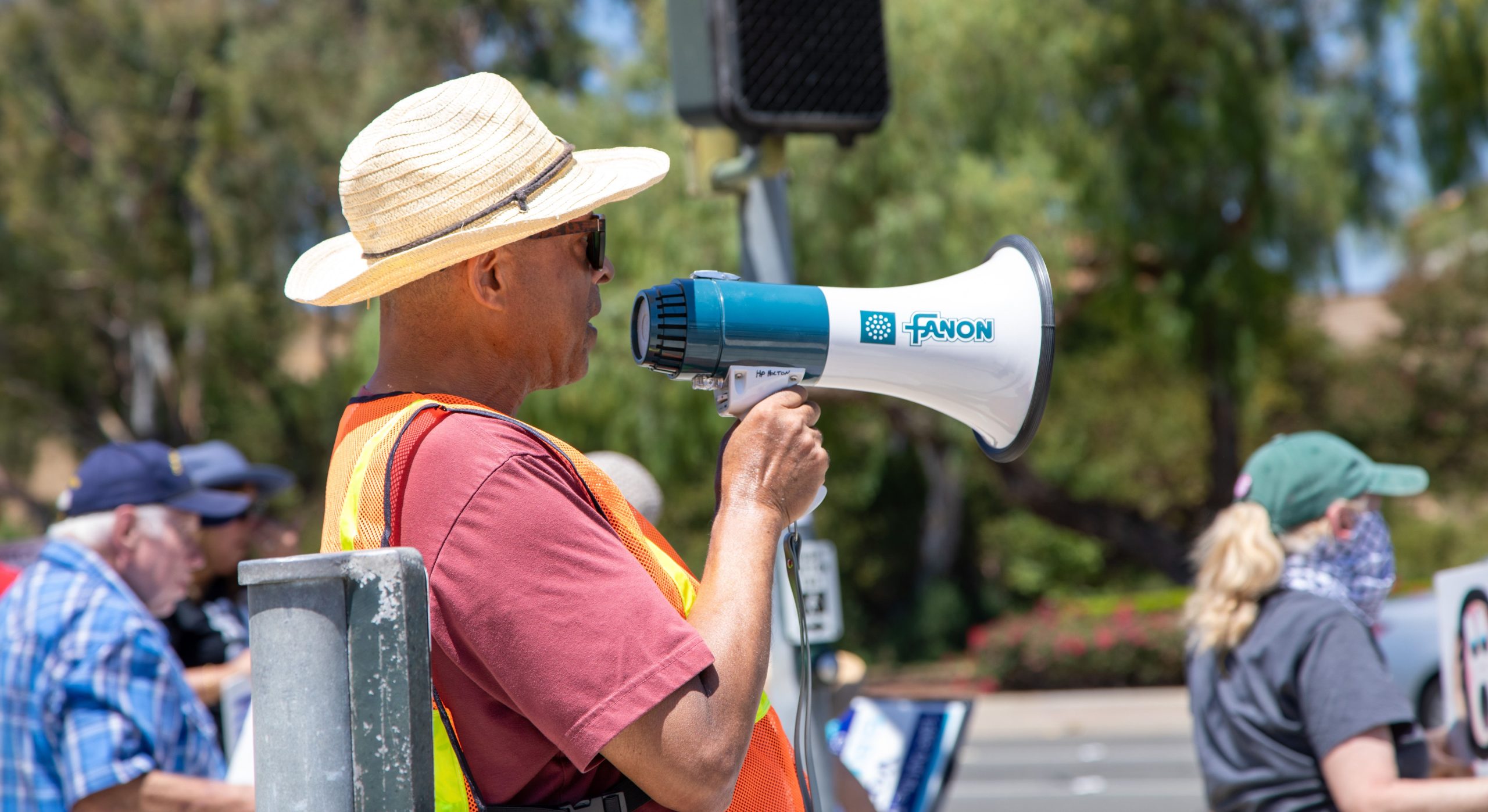
Hear our roar!

Time to clean up!

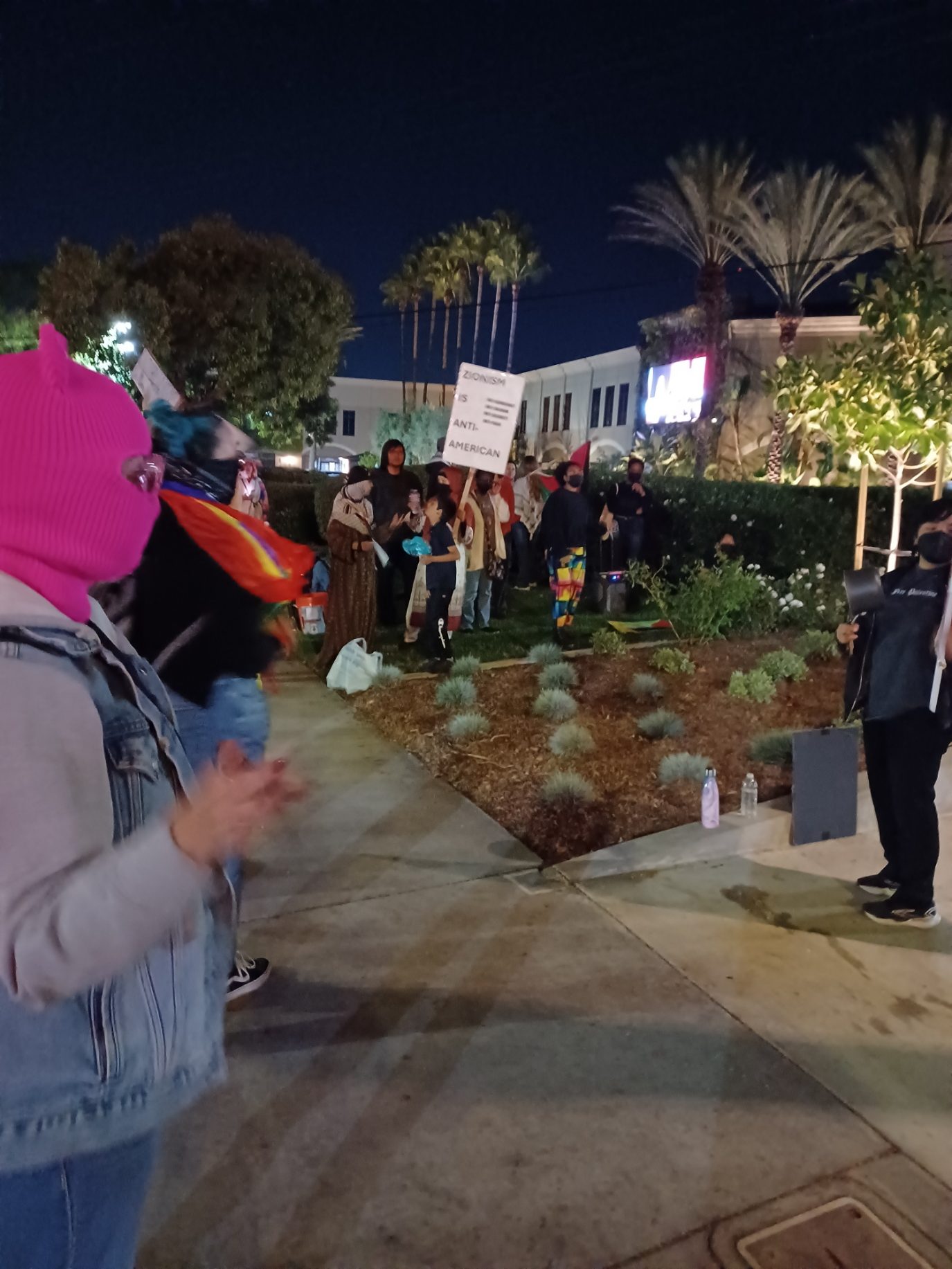
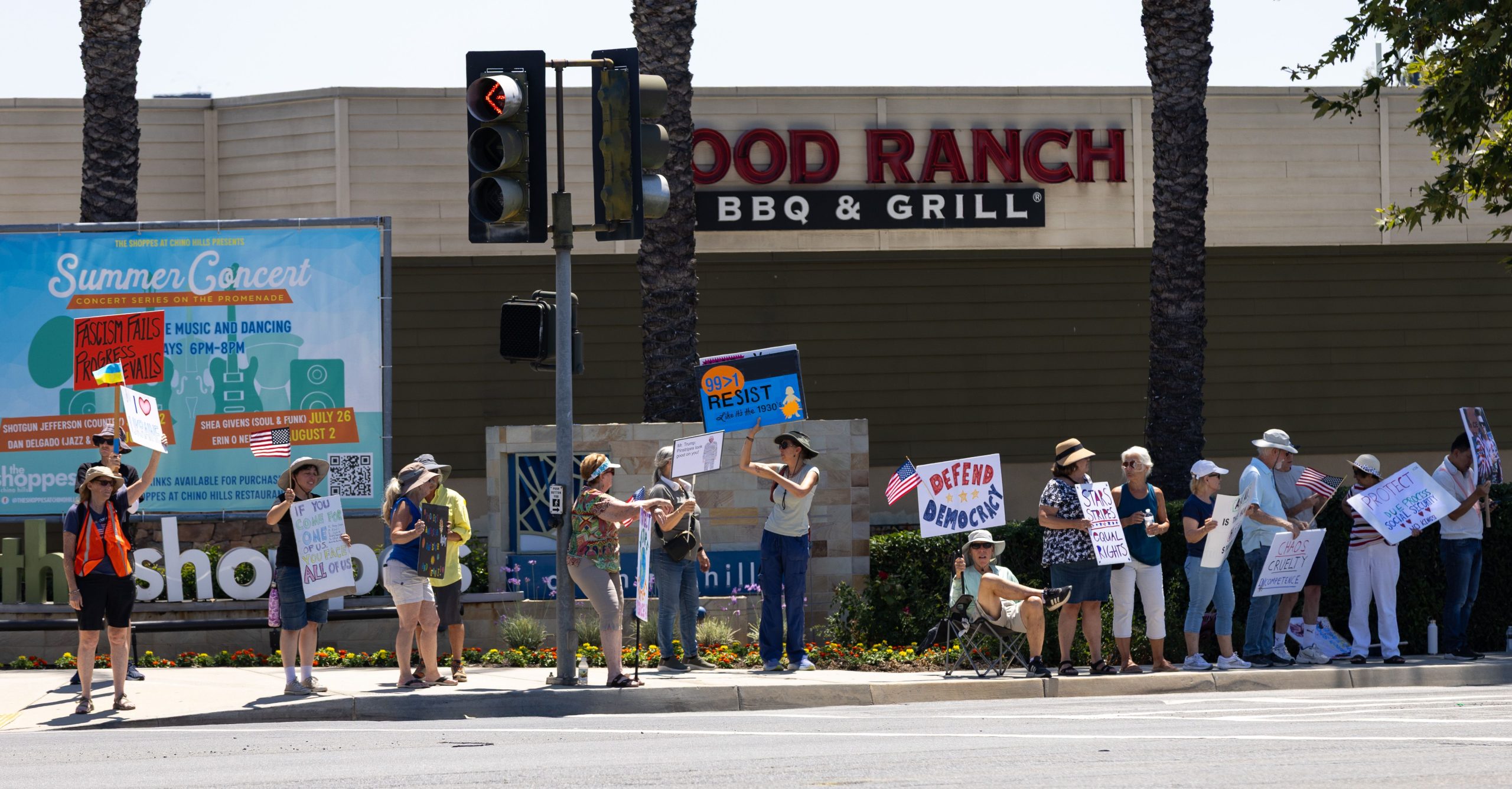
Outside the Shoppes!

Candidate for Governor Betty Yee!

STOP THE WAR, RELEASE ALL HOSTAGES, FIND THE MISSING, WORK TOWARDS THE TWO STATE SOLUTION!

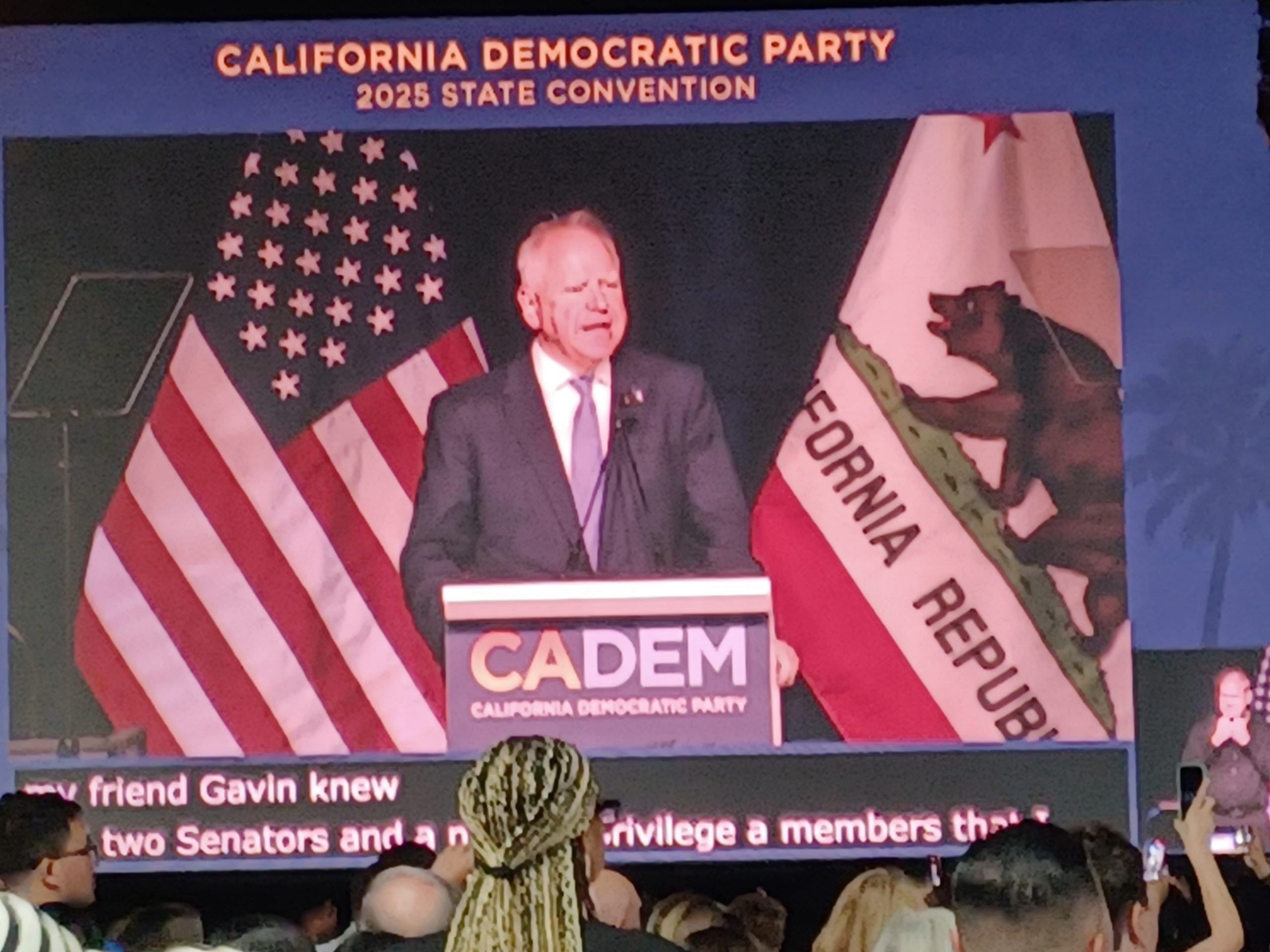
Gov Tim Waltz at CADEM 2025 Convention

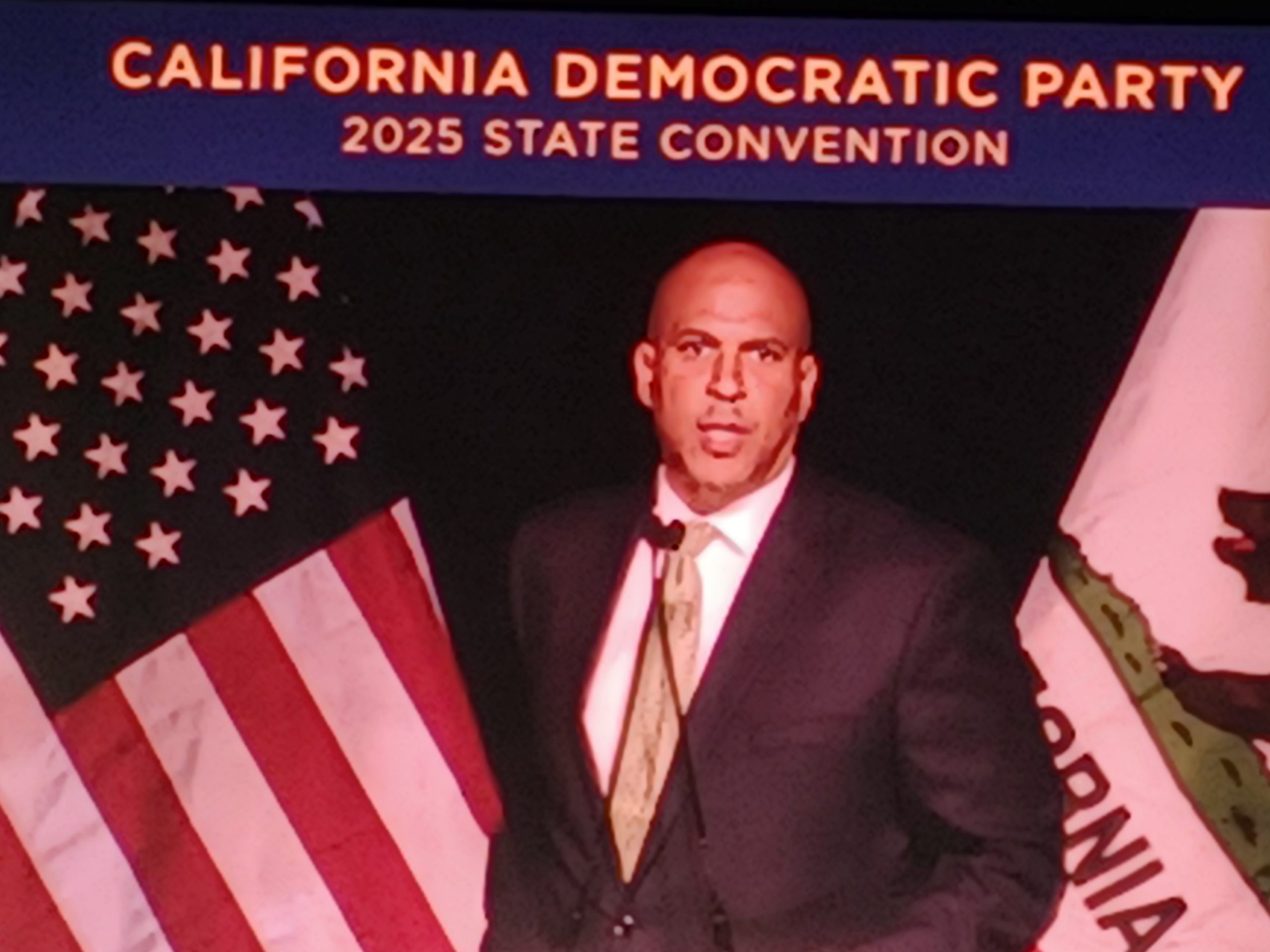
Sen Cory Booker at CADEM 2025 Convention


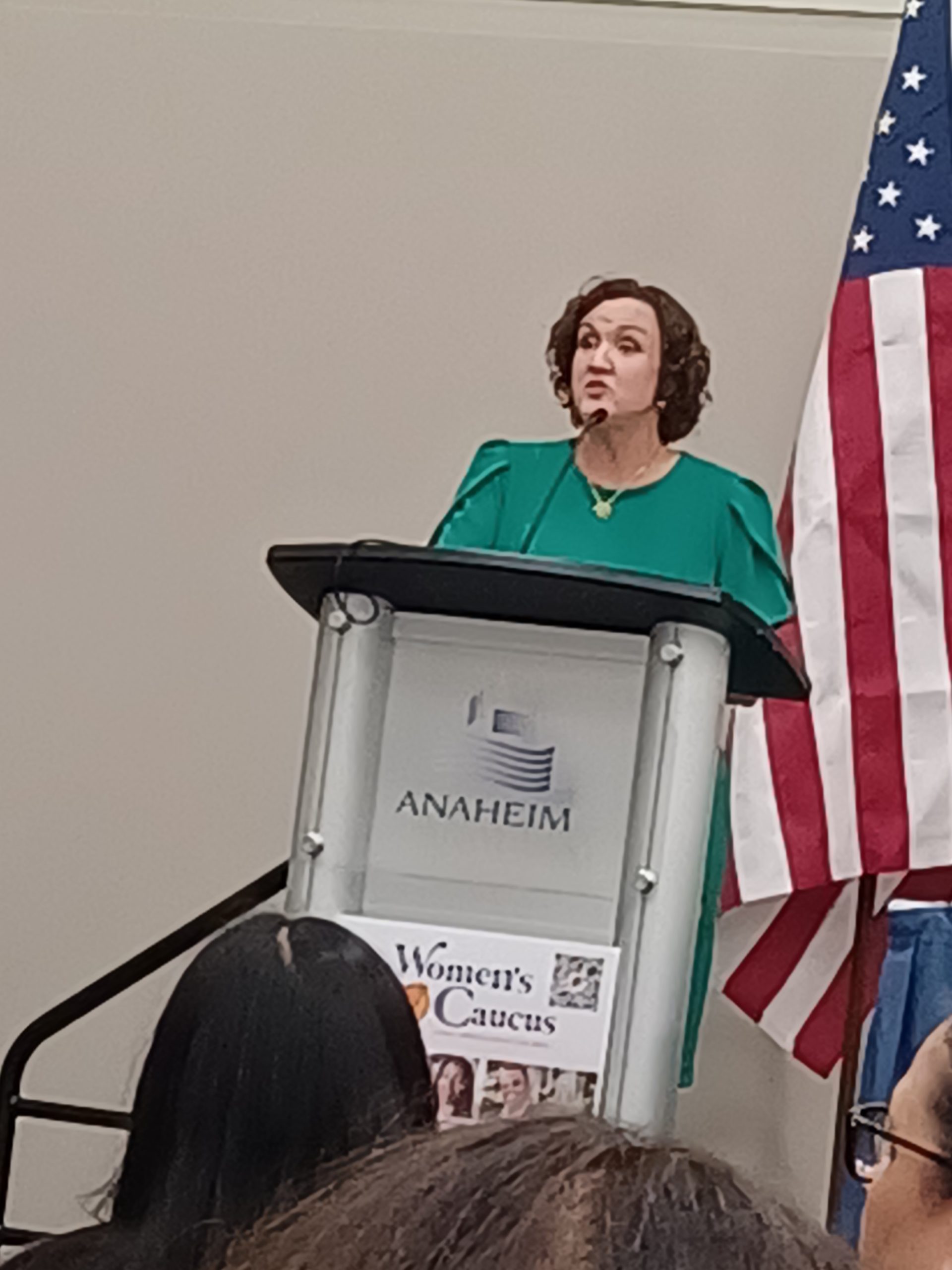
Katy Porter at CADEM 2025 Convention

CA Secy of State Shirley Weber at CADEM 2025 Convention


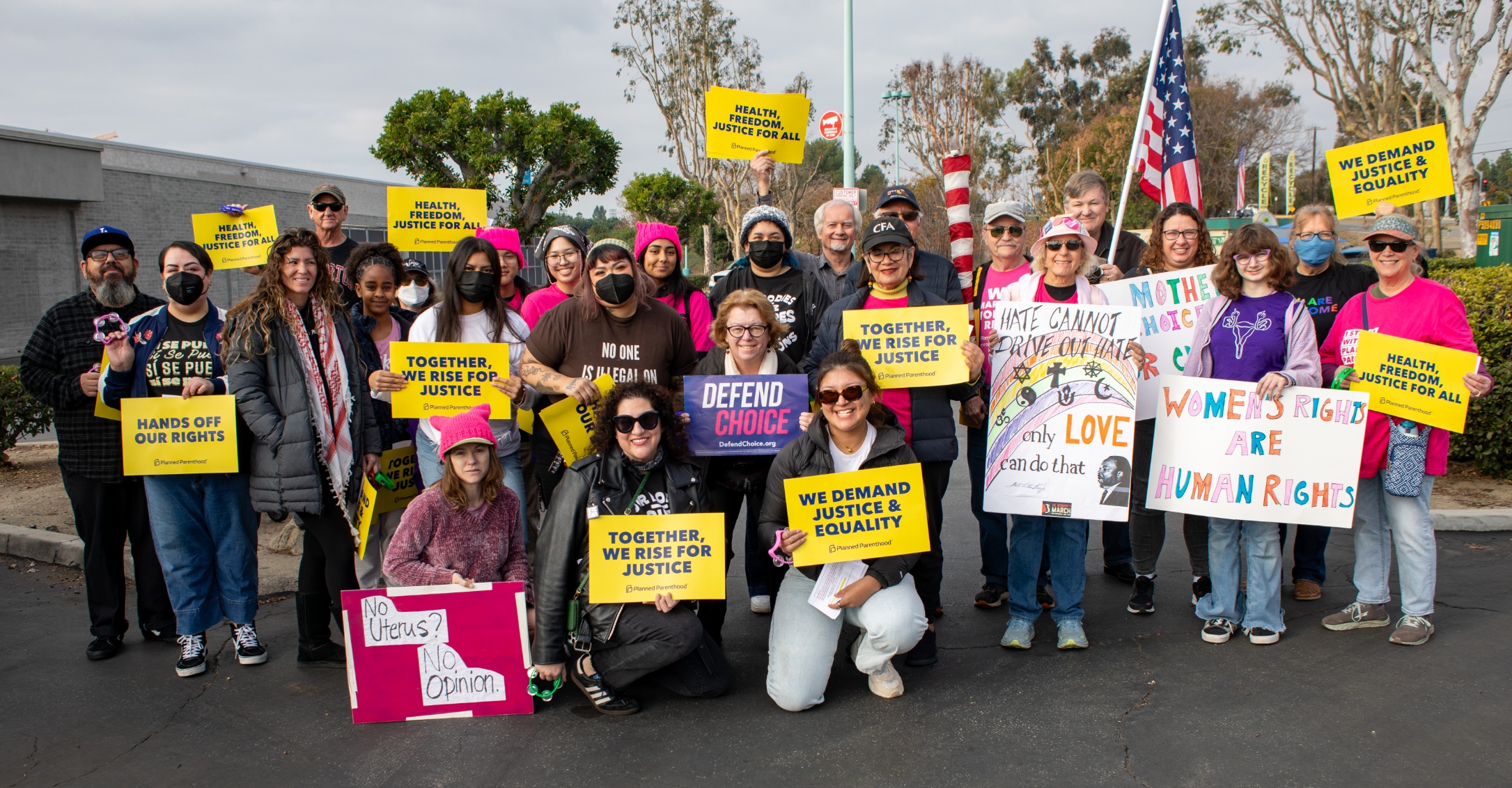
Rally pro women’s rights

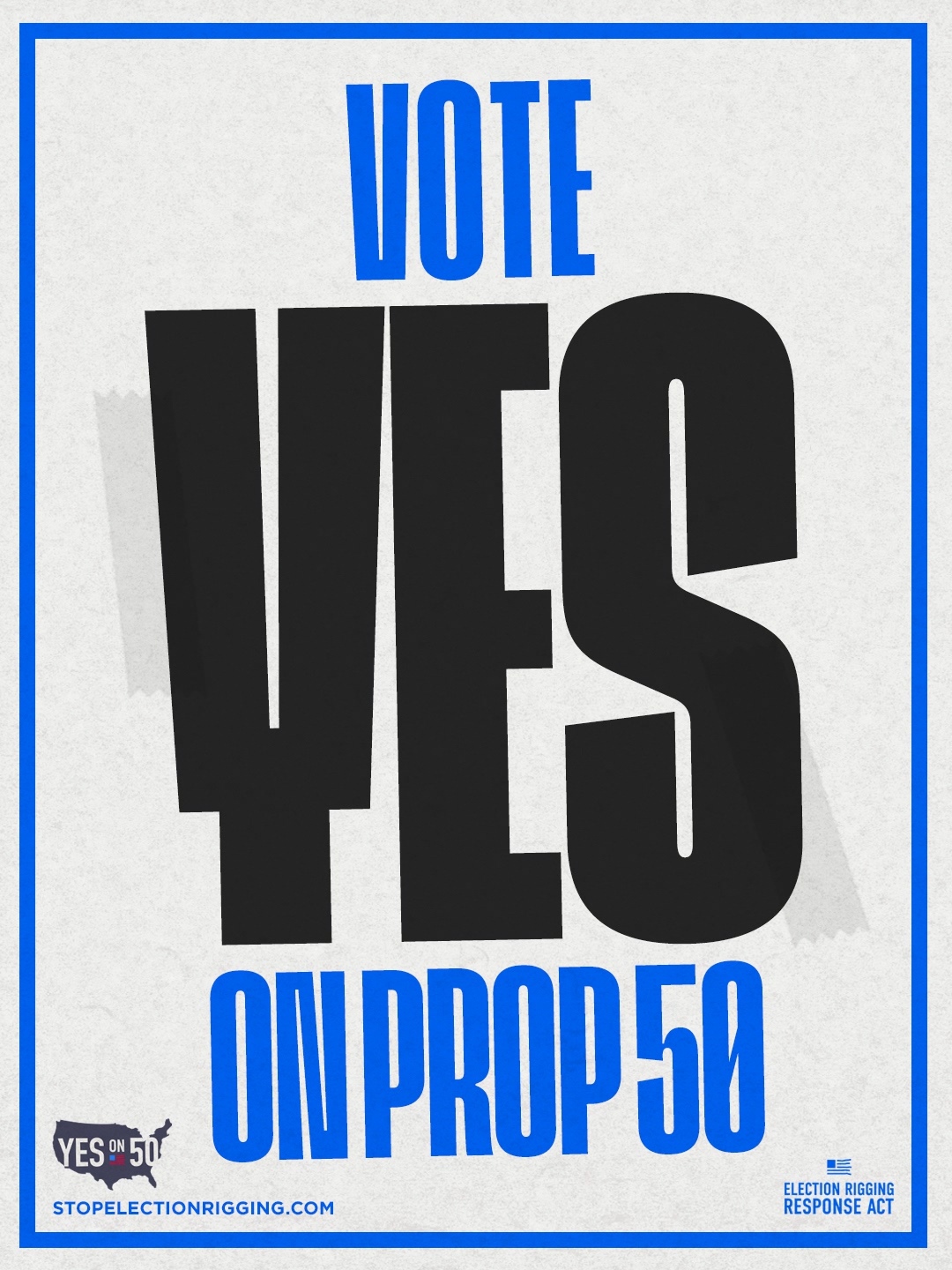
Calling all voters!

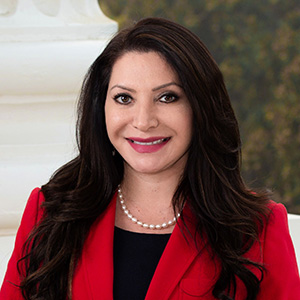
Congratulations Michelle Rodriguez Assembly Member AD53!


Josh Newman SD29 RE-ELECTED 2020-2024

Assemblyman Freddie Rodriguez re-elected to AD52 2021-2025


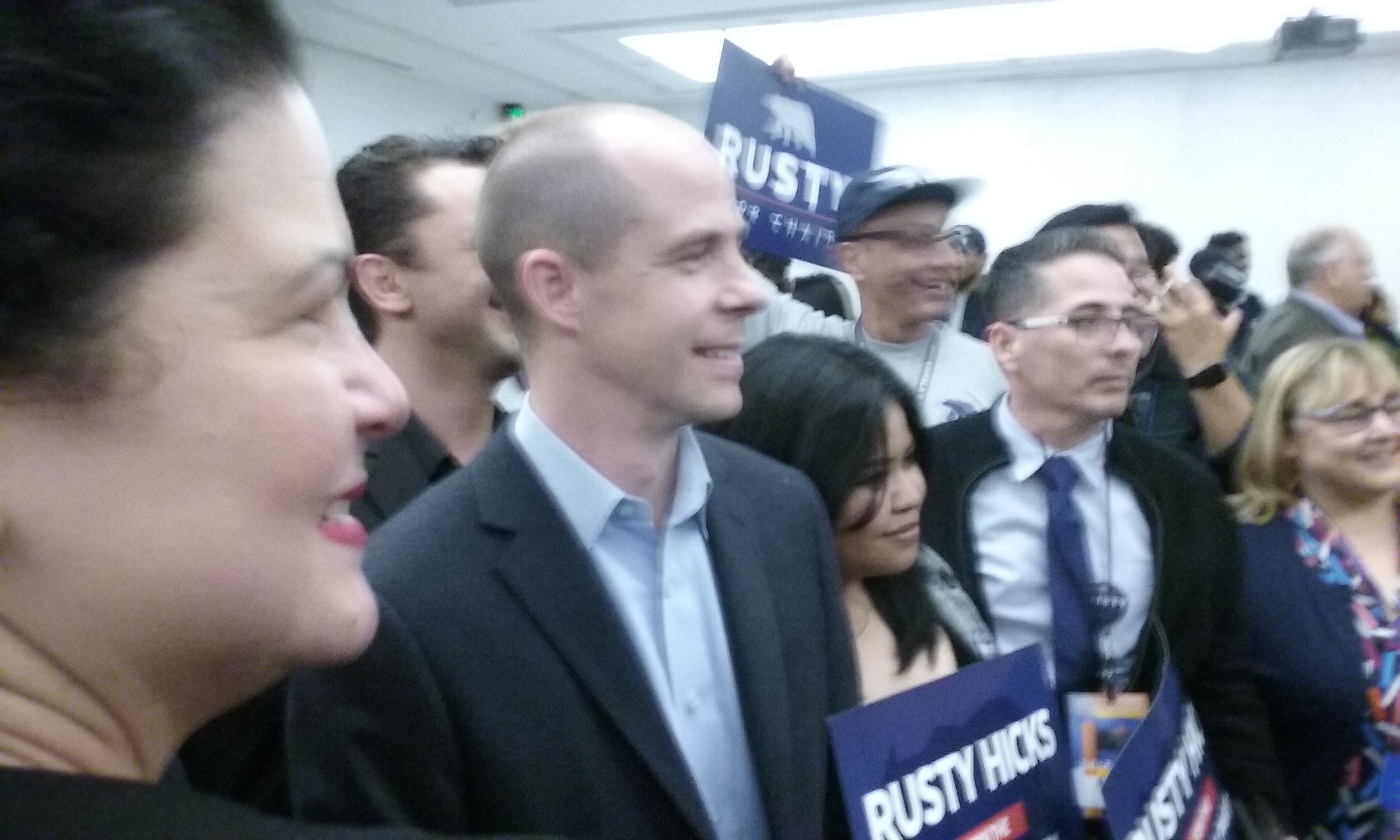
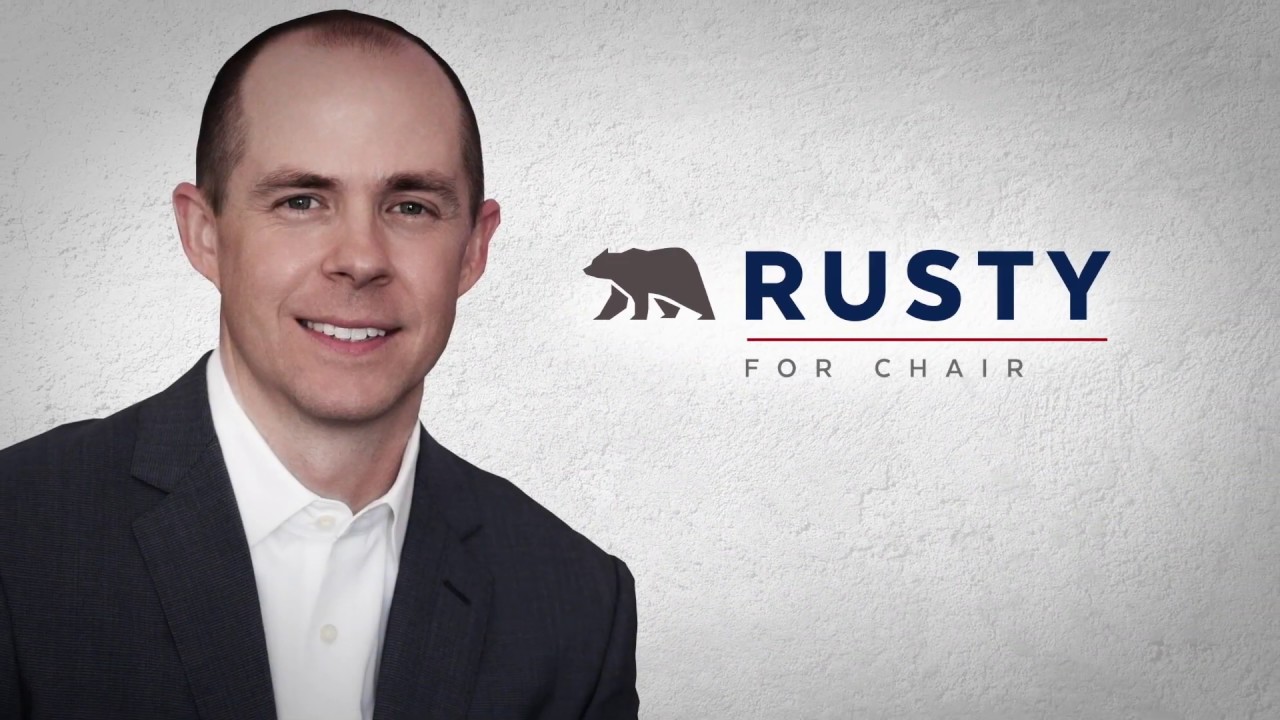
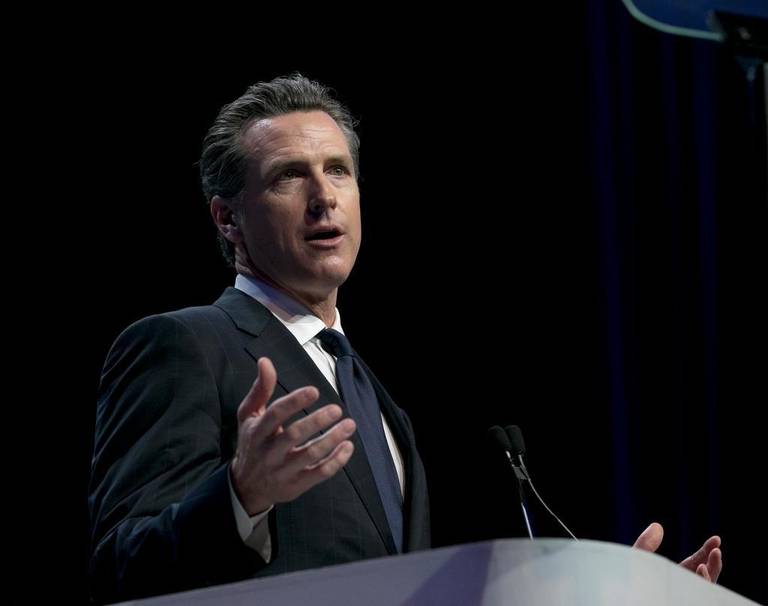
Governor Newsom with New State Party Chair Rusty Hicks!

Our Dream Team!

Encounter at Governor’s annual party.

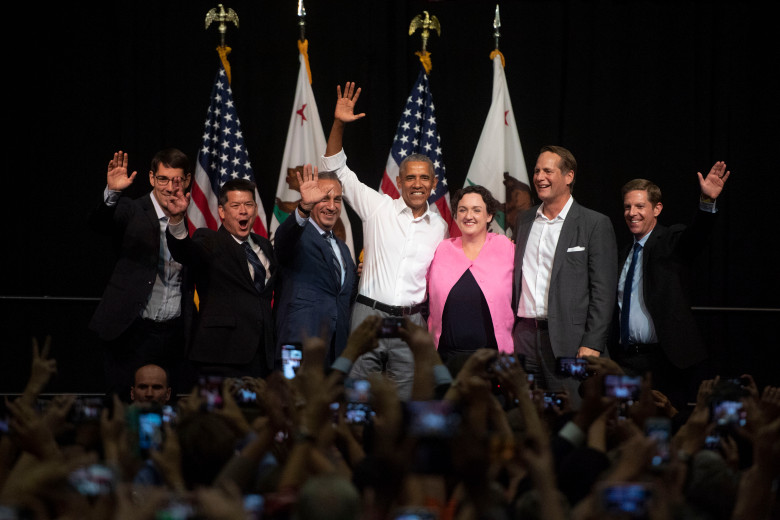
Former President Barack Obama, center, waves to the crowd after speaking at a campaign rally to support Democratic California congressional candidates, Josh Harder, T.J. Cox, Gil Cisneros, Katie Porter, Harley Rouda, Mike Levin, from left, at the Anaheim Convention Center in Anaheim on Saturday, Sept. 8, 2018. (Photo by Kevin Sullivan, Orange County Register/SCNG)


The reason our School Board is so dysfunctional.

Welcome

Progressives, Independents, and Democrats!

Congratulations Governor Newsom!

Come to our monthly meetings.


We support Chino, Chino Hills, and South Ontario in Assembly Districts 53 and 59, State Senate Districts 22 and 32, and Congressional Districts 35 and 40
Our Facebook for Chino Valley Democrats LINK

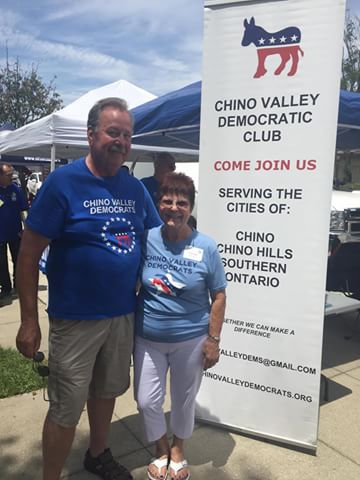
Don and Jan Bridge and ACT Union Pres and VP

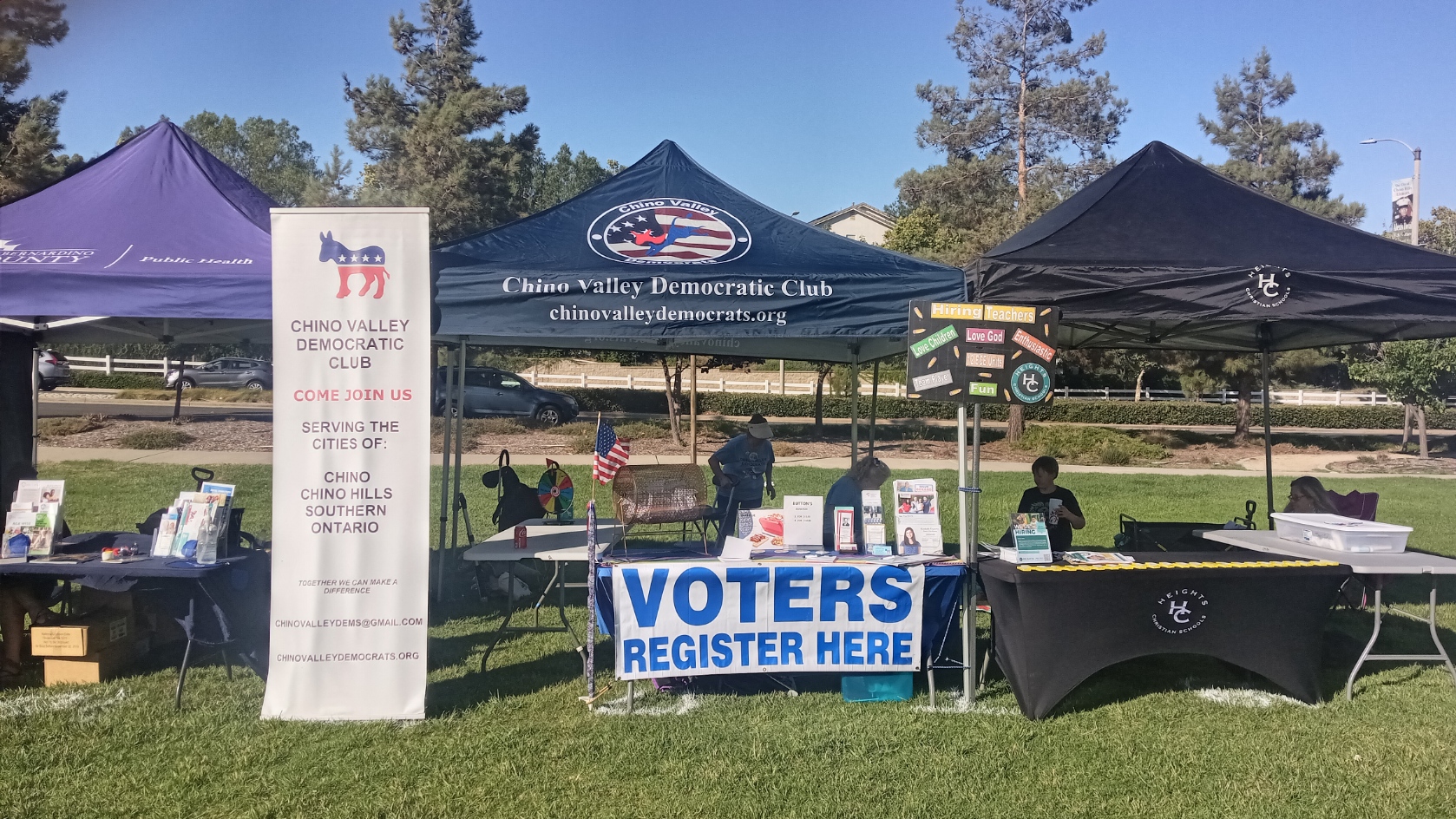
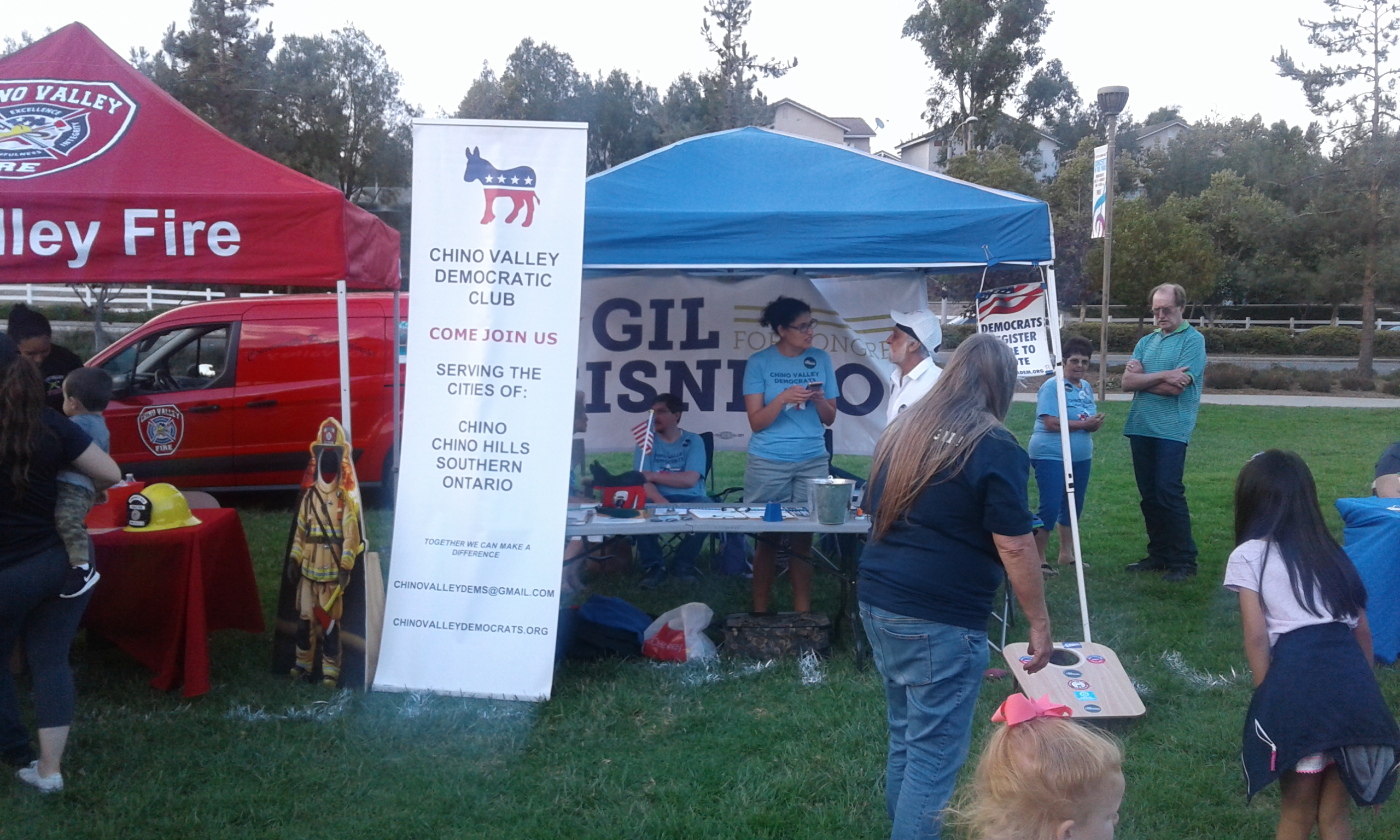
Registering voters at the Summer Concerts in the Park

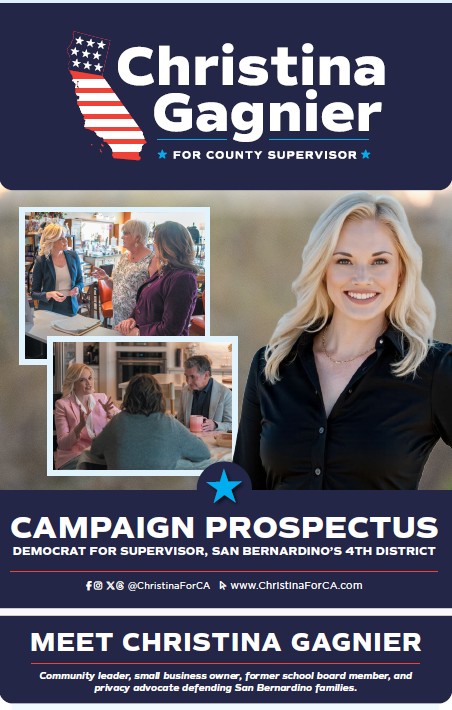
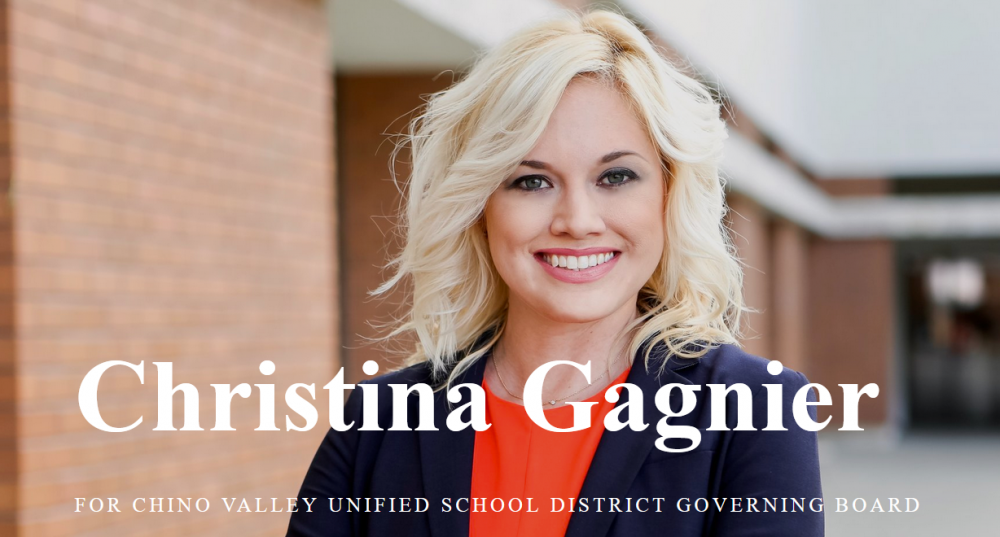
Congratulations Christina Gagnier, Chino Valley Unified School Dist. Board!

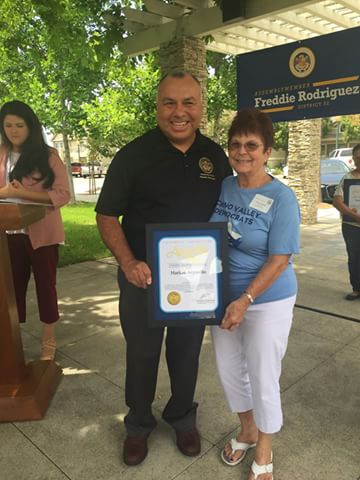
President of our Club, Marian Arguello receives a special CHINO Woman of the Year award from Assembly representative Freddie Rodriguez (AD52) !

https://sd22.senate.ca.gov/sites/sd22.senate.ca.gov/files/SusanRubio-300x300.jpg

CA State Senator Susan Rubio SD22

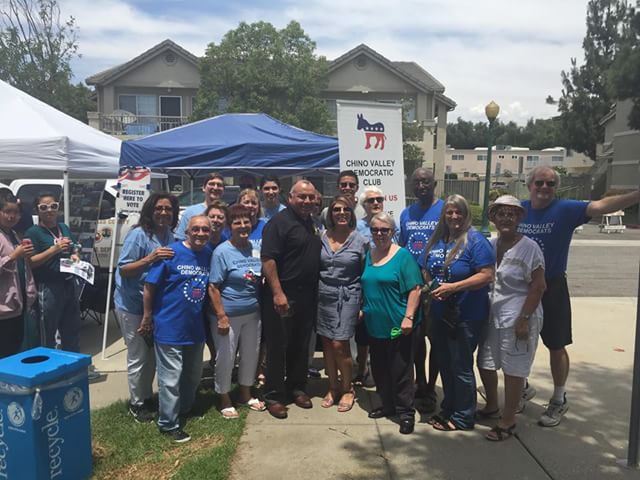
Our club in action!

The Arguellos posing for their fans!


American Cancer Society Relay for Life Volunteers in the Community- 2019

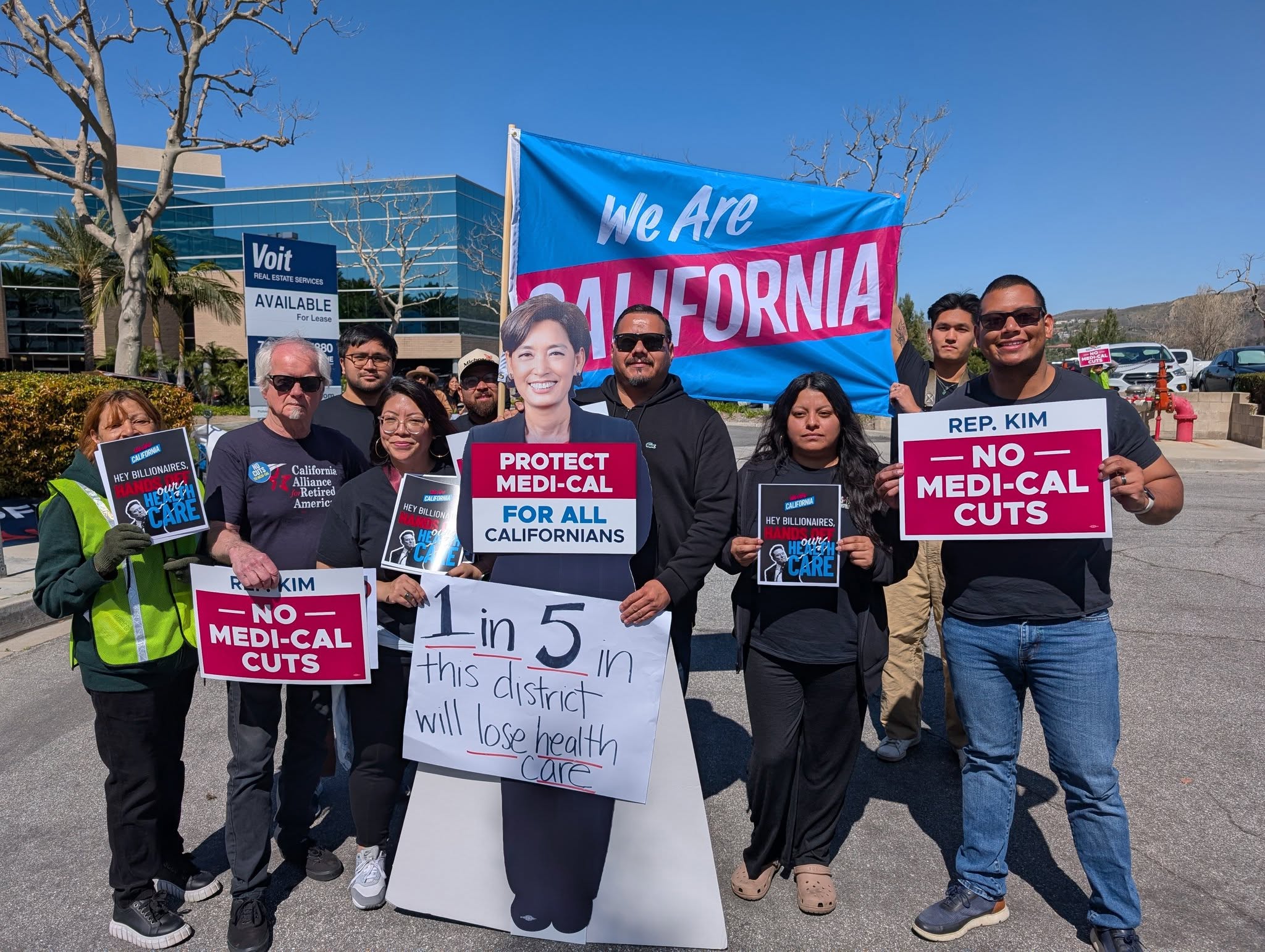
Rally demanding CD39 Republican Ed Royce address Healthcare!


We regfister voters and recruit club members at the Summer Concerts in the Park!


Local Governments Are Increasingly Strapped: 2026 Will Bring New Challenges and New Opportunities

ITEP


Blog • Kamolika Das January 21, 2026

In 2025, local governments faced new costs and challenges brought on by unprecedented federal funding cuts and the continuation of deep state tax cuts. Following the passage of President Trump’s “One Big Beautiful Bill Act” signed into law in July 2025, local communities grappled with the implications of major federal rollbacks to Medicaid and food assistance. The cuts, which started phasing in at the end of last year, are rippling through local communities, threatening access to care and straining local budgets that are often responsible for public health and safety-net services. Many localities were already struggling with rising costs such as increased pension liabilities and health care costs for municipal employees, as well as reduced revenue from commercial real estate. The federal cuts combined with trade and immigration policies have pushed local budgets over the edge, leading to massive revenue shortfalls across the nation including in New Orleans, San Diego, Denver and Boulder County, and cities across Indiana.

Many local leaders on both sides of the aisle understand what’s at stake: without new, sustainable revenue, communities will be forced to make deep cuts to essential services or rely on regressive, short-term fixes. As a result, 2025 saw an intensification of state and local tax fights across the country, as well as growing experimentation with local-option taxes, levies, fees, and tourism taxes aimed at keeping budgets afloat while also navigating political constraints imposed by state legislatures.

Fights Over Fiscal Authority

One of the clearest trends last year was the escalation of states’ efforts to limit local taxing authority, despite ongoing local financial pressures.

In Wisconsin, multiple cities have been lobbying the state for permission to adopt their own local sales taxes. Currently, only counties (no cities or villages other than Milwaukee) are permitted to levy local sales taxes. A package of bills was introduced in November 2025 that would allow all municipalities to impose a local-option sales tax of up to 0.5 percent, subject to local referendum approval. At the same time, GOP state lawmakers are pushing a bill that would require local vehicle registration fees (called “wheel taxes”) to be approved by voters via referendum before they could be imposed, and would even force existing wheel taxes to go before voters to remain in effect. If passed, the bill would create even more uncertainty for local budgets and make it more difficult to pay for transit and infrastructure repairs.

There was also increasing tension between state and local governments in Tennessee, where Metro Nashville sued the state over a law restricting the council’s size and its ability to raise taxes. Tennessee lawmakers are also considering a bill that would limit how much local governments can raise property taxes without triggering a voter referendum.

In Florida, the Florida Association of Counties, the Florida League of Cities, and other local officials on both sides of the aisle forcefully pushed back against proposals in the statehouse to cut property taxes, citing concerns about fire departments and emergency management services.

In Texas and Florida, this dynamic has taken a particularly aggressive turn. In Texas, Attorney General Ken Paxton launched a probe into almost 1,000 Texas cities under a new state law that restricts local property tax increases if financial audits aren’t completed. The rationale is for greater fiscal transparency, but the enforcement mechanism effectively punishes communities, often smaller and under-resourced communities, by limiting their ability to respond to rising costs. In Florida, the state’s Department of Government Efficiency (DOGE) is actively auditing and publicly shaming cities for “wasteful” spending. Florida state officials have directly tied these overspending claims to Gov. Ron DeSantis’ property tax elimination agenda since they claim they help justify reducing local budgets. Taken together, these interventions reflect a broader trend of state-led austerity being imposed on local governments, even as cities and counties face rising costs for housing, infrastructure, climate resilience, and other necessities.

Local-option Taxes

Against this backdrop, local-option taxes are increasingly a critical tool for local governments. In California, voters in Santa Clara County approved a 0.625 percent sales tax increase to fund county hospitals and health services. The measure came in direct response to significant federal Medicaid cuts, which threatened access to care for low-income residents. Similarly, in Harris County, Texas, officials adopted a 3.25 percent property tax increase to address rising debt costs for local hospital systems. This decision underscores how federal and state disinvestment in health care has pushed costs down to the local level where leaders are forced to navigate difficult decisions, especially amid growing concerns about affordability and inflation.

Property Taxes

The property tax debates we are seeing across the country truly reflect the competing pressures on many local governments. On one hand, some state policymakers are trying to score political points at the expense of local revenues by offering broad-based tax cuts to homeowners. While property taxes have legitimately increased since 2019 given rapid appreciation and low inventory – an issue that requires tax and nontax solutions alike, many of the tax cut proposals would not benefit the most vulnerable or lowest-income households. Studies repeatedly show that tight property tax restrictions create inequities and, in some cases, even make new housing construction more expensive. Even so, across the country, 2025 proved to be a volatile year for property tax policy, with significant implications for both equity and fiscal sustainability.

  • Some states like Wisconsin and Minnesota saw significant levy increases as local governments attempt to keep pace with rising costs. Minnesota, in particular, experienced notable levy hikes by cities and school districts seeking to stabilize budgets in the face of inflation and uncertain state aid.
  • Others like Ohio enacted major property tax legislation designed to cap future increases, expand homeowner tax credits, and alter levy formulas so that property tax growth is limited to inflation except where voters approve new levies; this raises major concerns about reducing revenue for schools and local services.
  • Localities in Indiana are facing tighter budgets due to property tax cuts passed in April 2025.
  • In Georgia, hundreds of local governments and school districts wisely opted out of a statewide property tax cap to preserve revenue for education, though some have reversed course after initially opting out.
  • Texas Gov. Greg Abbott has made eliminating school property taxes a centerpiece of his 2026 agenda though lawmakers seem divided on the issue.
  • In Boston, Mayor Michelle Wu has long been pursuing a tax shift bill that would shift more of the city’s property tax base from the residential to the commercial sector. The Senate blocked the proposal in late 2024; on January 15, 2026, the Senate again voted down an amendment that mirrored Mayor Wu’s tax shift proposal.

There are countless other stories and legislative updates around property tax bills from the past year, but the core point is that property taxes remain central for local budgets and increasingly politically fraught. However, solutions beyond deep, widespread tax cuts exist and need be considered to advance affordability for those who need it most.

Increased Fees

Many local leaders have turned to fees, particularly utility fees, to help close budget gaps. Policymakers have framed the increases as necessary “catch up” measures to reflect the true costs of water and sewage rates and trash collection. While cost-based fees such as these can be appropriate, they disproportionately harm lower-income households unless they’re paired with strong affordability measures.

For example, San Diego and Los Angeles both increased sanitation and wastewater fees, citing aging infrastructure and higher labor and compliance costs. Localities in Illinois also approved scheduled increases to water, sewer, and stormwater fees to support basic services and debt obligations tied to water infrastructure. Beyond utilities, some cities expanded solid waste, recycling, and street maintenance fees. While this trend is nationwide, it’s especially apparent throughout Texas and Florida. While these fees are legally distinct from taxes, they can add to the overall regressivity of who is paying for vital public services and how states and localities raise revenue.

Tourism Taxes and the Search for Revenue

Communities that have strong tourism industries are increasingly seeking ways to capture more revenue from visitors rather than residents.

  • For example, municipalities in Alaska have been exploring higher bed taxes to help fund infrastructure strained by cruise ship traffic and seasonal population spikes.
  • In Montana, resort communities approved increases to local resort and lodging taxes to fund workforce housing, transportation, and public safety in areas where tourism growth has outpaced local wages.
  • Idaho communities with heavy recreational tourism moved to expand lodging tax revenue to address road maintenance and emergency response costs tied to seasonal visitors.
  • In Colorado, several mountain towns passed lodging tax increases or extensions in 2025, frequently dedicating the revenue to housing affordability initiatives, wildfire mitigation, and infrastructure.

The Need for More Local Autonomy in 2026

The past year has underscored a growing divide between local governments that have the authority to adapt their tax systems and those that remain constrained by state law. Some communities, when able, are experimenting with new approaches to modernize revenue systems and address budget gaps. But recent local tax conversations also highlight the broader challenge facing local governments nationwide – without greater fiscal autonomy and decision-making power, many communities will continue to face the consequences of federal and state disinvestment with limited ability to protect their most vulnerable residents.


The next meeting of the Chino Valley Democratic Club- October 2026

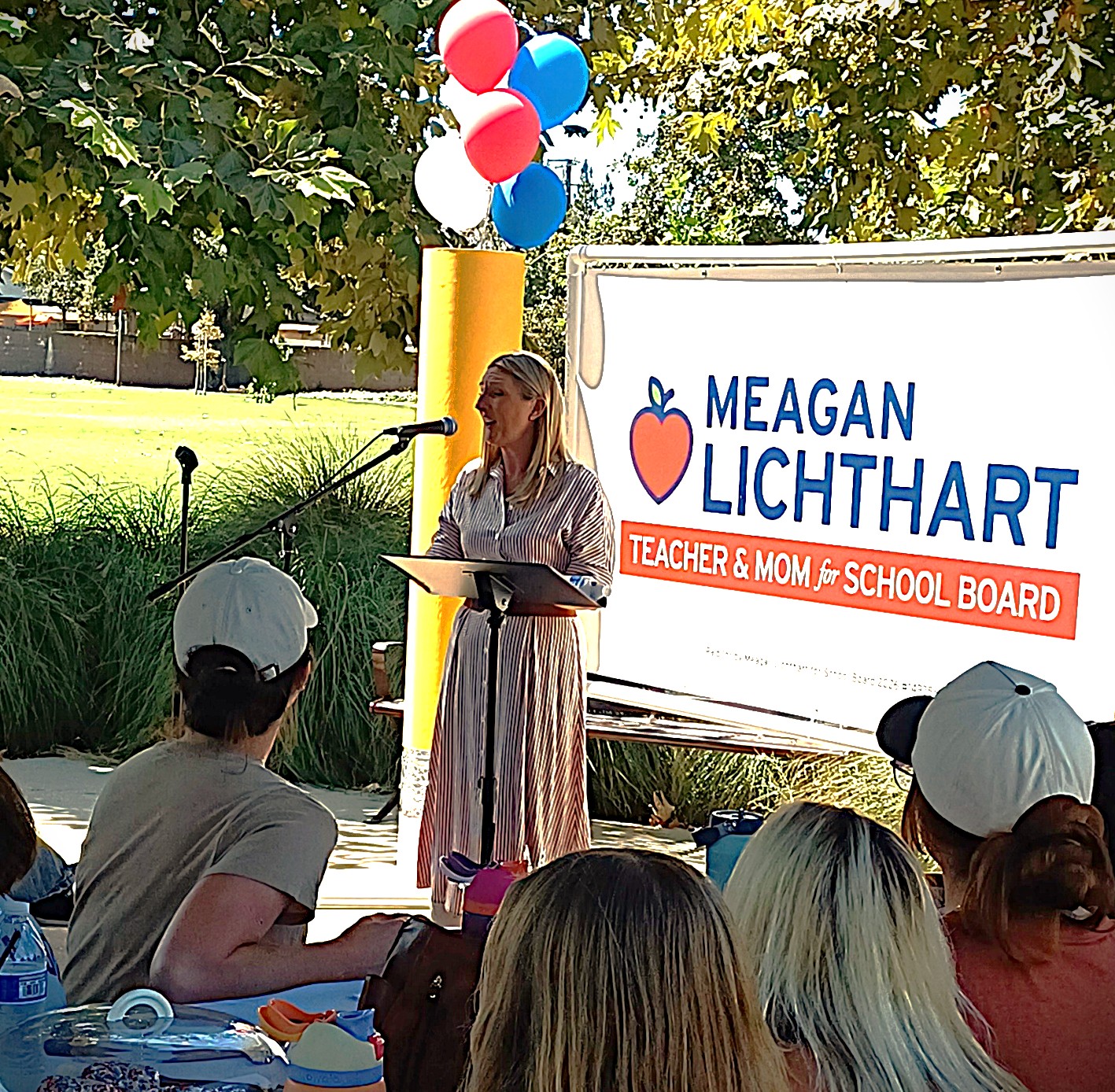
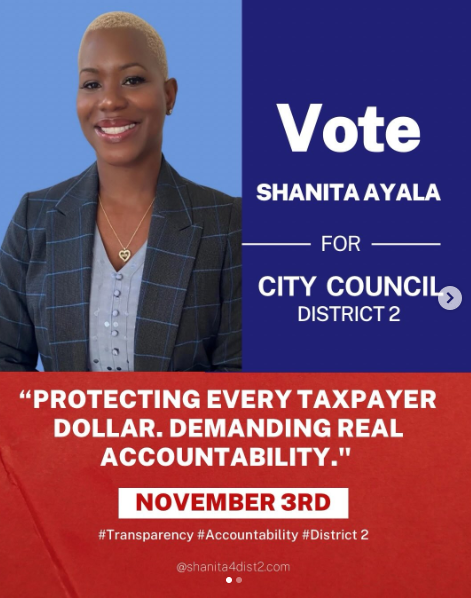
At the the October 12, 7 pm in person and online meeting of the Chino Valley Democratic Club, we will discuss the get out the vote strategy for the November 2026 General Election and meet local democratic candidates running for city council and school board races.

Meetings are open to the public. Democrats are encouraged to join and help restore our democracy.The Club recommends participants contact chinovalleydemocrats21@gmail.com for the location or go to the Zoom link https://tinyurl.com/f47tjtj4 and join at the designated time


With under 60 days until the midterms, there is still plenty of time to change the entire political map

In the Independent- https://www.the-independent.com/news/world/americas/us-politics/midterms-elections-countdown-2026-analysis-b3044875.html

The Iran war, Elon Musk’s cash and who decides to spend money in Texas could all be curve balls this cycle, Eric Garcia writes

On Thursday, the House of Representatives decided to cancel votes for the last two weeks of September, meaning that after next week’s break for Labor Day and Rosh Hashanah, the House will only be in business for four days until the midterm elections.

Right now, Republicans are going to need all the help they can get ahead of November. Midterms have a certain rhythm: two years after electing a president, voters either feel the administration has not lived up to its promises or seen them implemented and they now have buyer’s remorse.

All signs seem to show that for President Donald Trump and Republicans in the Senate and House of Representatives. Trump now boasts a 33 percent approval rating. He’s bleeding with Hispanic voters who had broken for him in 2024 and even more telling, he is starting to fall with white voters without college degrees and rural voters.

But every once in a while, a curveball can come along. In 1998, after Republicans impeached Bill Clinton but failed to convict him, Republicans actually lost House seats. In 2002, in the aftermath of the September 11 terrorist attacks, Republicans earned a solid majority in the House and Senate. And most recently, in 2022, when the Supreme Court killed the right to an abortion in the Dobbs v. Jackson decision, Republicans only barely won the House while Democrats held numerous governorships and netted a Senate seat.

And then, sometimes, a wave is so big that the minority party can win in an unexpected place. Here are some twists that could help shape what the political future of the nation will look like after November:

An end to the Iran War

There really is only one thing that could move the voting public to be more favorable to Trump and the GOP: ending the war in Iran. Despite what the administration says, the U.S. adventure in Iran is a war and it has caused the price of gas to rise exponentially.

The resulting inflation has outpaced wage growth. At this point, the only thing that would matter to voters is an end to the war that reopens the Strait of Hormuz and therefore increases the global supply of oil.

This seems unlikely. On Thursday, Vice President JD Vance told reporters that “I wouldn’t call it a war” when asked if it would be over before the midterms. But every day that drags on reminds voters that Trump caused their gas prices to rise.

Trump or John Thune blinks in Texas

Perhaps the ugliest Senate primary this year came in Texas when Trump endorsed Attorney General Ken Paxton over incumbent Sen. John Cornyn, leading to Cornyn’s humiliating defeat.

Paxton’s numerous scandals–which led to him being impeached but acquitted in the Texas legislature–and allegations of infidelity have made Democrat James Talarico competitive. Polling shows Talarico either in the lead or in a statistical tie in a state that has been a Republican lock for years.

But so far, neither the National Republican Senatorial Committee nor the Senate Leadership Fund, the super PAC affiliated with Majority Leader John Thune, have ponied up. Trump has praised Paxton and raised money for him, but he has yet to deploy resources from MAGA Inc., his super PAC that has a more than $400 million cash pile. Contrast that with Talarico’s $30 million fundraising haul in the most recent quarter.

If any of them decide to deploy resources, this could be the thing that saves Paxton. Otherwise, he might be toast as a candidate.

Will Elon Musk’s moneybomb backfire?

After Elon Musk’s public falling out with President Donald Trump and leadership of the government cost costing, Musk has mostly returned to the Republican fold. This week, his America PAC dropped $800,000 to support Republican candidates running for both House and Senate. In particular, he spent a little less than $250,000 for Paxton and against Talarico.

He also dropped the $170,000 for Sen. Susan Collins of Maine and against her Democratic opponent Troy Jackson.

Collins is in the toughest race of her career, though she has a history of outperforming polls. But perhaps recognizing how unpopular Musk is in a blue state like Maine, she immediately distanced herself from Musk.

“I wasn’t aware of that donation, I knew he was going to get involved in political campaigns but I had not heard that there was a specific donation,” she told reporters in Maine.

Musk’s campaign cash has a history of backfiring. Last year in Wisconsin, he dropped millions during the state’s supreme court race just for the liberal candidate to win in a rout. If Republicans in purple or even light red districts are tied to Musk, they could wind up with a target on their back given how unpopular he is with many voters.

Which race will shock everyone?

Every election has a sleeper result nobody expects. In 2018, Democrat Kendra Horn shocked nearly everyone when she flipped Oklahoma’s 5th district and in 2024, the unthinkable happened when Pennsylvania Democratic Sen. Bob Casey, whose father was one of the most beloved governors in the state, lost his seat.

Other times, that race signals a larger shift: Ron DeSantis’s squeaker for governor in 2018 opened the door to Florida going from the perpetual swing state to a solid red state.

In that same year, Kyrsten Sinema’s race began a streak of Democrats winning Senate seats in Arizona.

Some potential shockers include Democrat Adam Hamilton, a pastor, beating Sen. Roger Marshall in Kansas based on the toll Trump’s tariffs placed on farmers – and the disappointment some have voiced over that decision.

Republican Rep. Anna Paulina Luna in Florida has proven to be uniquely vulnerable as she underperformed Trump in 2024 in the district and could lose her seat.

In Iowa, Democratic state legislator and former paraolympian Josh Turek trails behind Rep. Ashley Hinson’s for the state’s Senate seat. But under the right circumstances, it could flip. And in Colorado, Rep. Lauren Boebert has raised a pittance of money despite being a nationally recognized figure.

There are plenty of possibilities – and plenty of time – for curveballs that can cause massive swings in the midterm races. Now, we will start seeing them as campaigns begin their home stretches.

The next meeting of the Chino Valley Democratic Club- September 2026

  • The September 14 meeting of the Chino Valley Democratic Club will host Chino City Manager Linda Reich to discuss the City of Chino’s outdated business license ordinance and the proposed Business License Reform measure F that will be on the November 2026 General Election ballot.
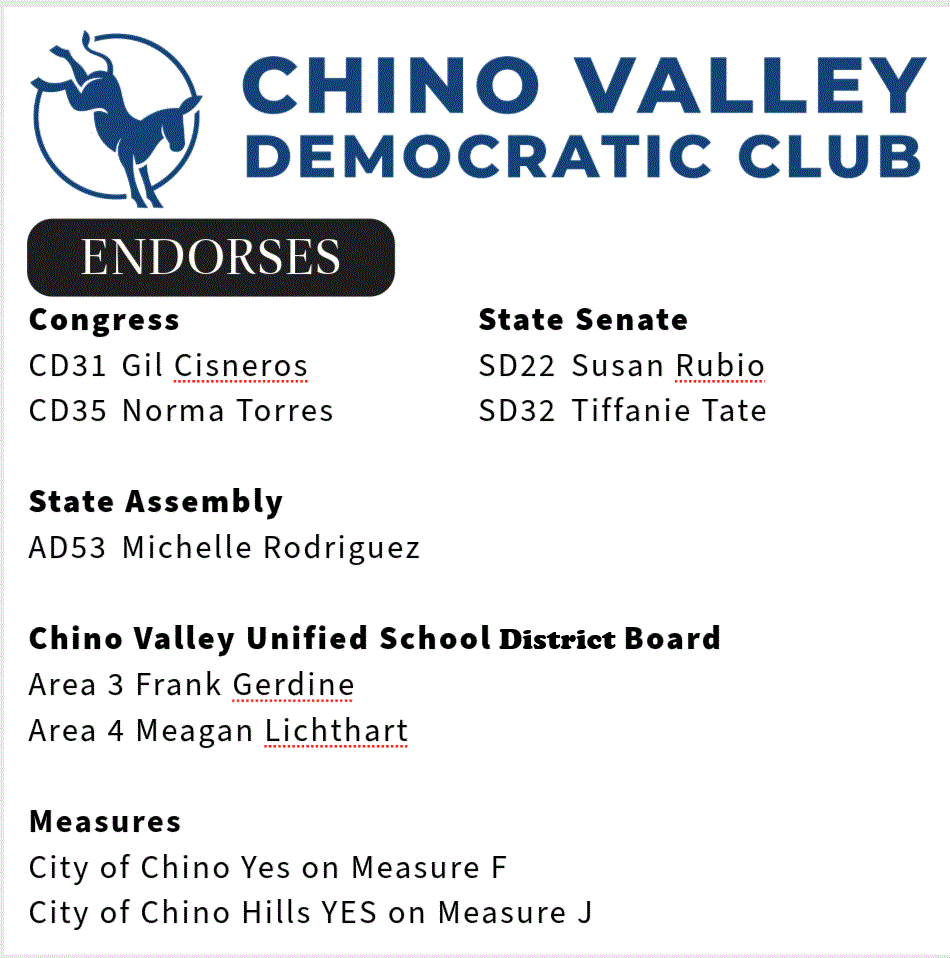
  • California State and San Bernardino County Democratic Party candidate and ballot measure endorsements, on the November ballot, will also be shared.
  • We will also review current School District and Local Chino and Chino Hills actions in preparation for the November 2026 general election.
  • Meetings are open to the public. Democrats are encouraged to join and help restore our democracy. The Club recommends participants contact chinovalleydemocrats21@gmail.com (mailto:chinovalleydemocrats21@gmail.com) for the new changes location or go to the Zoom link https://tinyurl.com/f47tjtj4 and join at the designated time

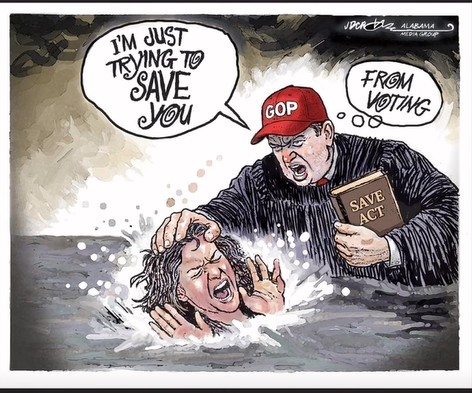
Six Things to Know About the SAVE America Act

– FROM BIPARTISAN POLICY CENTER (BPC), JULY 17, 2026

https://bipartisanpolicy.org/article/five-things-to-know-about-the-save-act/

This page was originally published on February 2, 2026 and last updated on July 17, 2026.

The Safeguard American Voter Eligibility (SAVE America) Act requires voters to provide documentary proof of citizenship at the time of registration and a photo ID at the time of voting.

Both parties agree that voter registration should permit all eligible citizens—and only eligible citizens—to register and vote in federal elections. Although instances of noncitizen registration and voting are rare, the SAVE America Act’s goal of ensuring that only citizens can register to vote is important. But there are easier, more cost-effective ways to improve citizenship verification that don’t create new barriers for eligible voters.

Here’s what you need to know about the SAVE America Act:

  1. Citizenship is already a requirement to vote, and instances of noncitizen voting are rare.
  2. Many eligible citizens don’t have access to documentary proof of citizenship.
  3. There are better ways to verify citizenship that put the responsibility on government, not voters.
  4. The SAVE America Act could have unintended consequences for election officials and election administration.
  5. The SAVE America Act’s photo ID requirements are more restrictive than any state law currently in place.
  6. The SAVE America Act needs more time and resources to be implemented well.

The SAVE America Act was passed by the U.S. House of Representatives in February 2026. Congress is now weighing a scaled-back version through the budget reconciliation process. Instead of a blanket mandate, this version takes an incentive-based approach: No state would be required to adopt documentary proof of citizenship or photo voter ID, but states that meet the requirements would qualify for federal funding. The House set aside $10 billion for this purpose in its July 15, 2026, budget resolution. Because the resolution specifies only the total dollar amount, the details of the framework are still undetermined. For perspective, that $10 billion is nearly double everything Congress has allocated for election administration since 2002 combined.1

1. Citizenship is already a requirement to vote, and instances of noncitizen voting are rare

In effect, the SAVE America Act introduces a documentation requirement for a law that has existed for decades: the Illegal Immigration Reform and Immigrant Responsibility Act of 1996 explicitly prohibits noncitizens from voting in federal elections.

To do so, the SAVE America Act amends the National Voter Registration Act of 1993 by introducing a requirement for individuals to provide proof of U.S. citizenship when registering to vote in federal elections.

Registration and voting attempts by noncitizens are routinely investigated and prosecuted by the appropriate authorities, and there is no evidence that attempts at voting by noncitizens have ever been significant enough to impact any election’s outcome. In fact, there is ample evidence to indicate that registration and voting by noncitizens is few and far between.

Utah, for example, performed a citizenship review of its entire voter registration list from April 2025 through May 2026. After a time-intensive, multi-step review of more than 2 million registered voters, they identified only 27 confirmed instances of noncitizen registration.2

Additionally, many state election offices began using U.S. Citizenship and Immigration Services’ (USCIS) Systematic Alien Verification for Entitlements program in 2025 to verify voter citizenship. Records from this program show that just 0.04% of voter verification cases are returned as noncitizens.

The actual rate of noncitizens may be even smaller than this data suggests. Travis Couty, Texas, for example, reported that 25% of the voters that USCIS flagged as potential noncitizens had already provided proof of citizenship when registering to vote.

2. Many eligible citizens don’t have documentary proof of citizenship

BPC’s analysis finds that about 12% of registered voters lack the types of documentation that would be required under the SAVE America Act.3

The SAVE America Act defines acceptable forms of documentary proof of U.S. citizenship for federal elections as:

  • Real IDs indicating that the applicant is a U.S. citizen
  • Valid (unexpired) U.S. passports
  • Military identification cards along with service records indicating place of birth in the U.S.
  • A valid government-issued photo ID presented together with one of the following documents:
    • a certified birth certificate
    • a Record of Birth extract
    • an adoption decree showing a U.S. place of birth
    • a Consular Report of Birth Abroad
    • a Naturalization Certificate or Certificate of Citizenship
    • an American Indian Card with the classification “KIC”

Many of these documents are relatively uncommon in the general population. For example, only five states issue Real IDs that indicate U.S. citizenship.

As a result, most Americans who would need to provide documentary proof are likely to rely on one of two common pathways: an unexpired U.S. passport or a government-issued photo ID paired with a birth certificate.

Furthermore, birth certificates often lack information that matches a person’s current identity. For instance, someone who has changed their name through marriage or court order may need to present a third document (such as a marriage certificate) to join their proof of citizenship (e.g., birth certificate) with their proof of identity (e.g., driver’s license), further decreasing the likelihood that a voter will have the appropriate documentation on hand to successfully register.

Even if voters were to provide documentary proof of citizenship, verifying the authenticity of those documents is an inherently complex task, one that election officials and motor vehicle departments often do not have the resources or training to perform.

Kansas offers a case study of how a documentary proof requirement would likely play out in practice. Before the law took effect, noncitizen registration in Kansas was exceedingly rare, accounting for about 0.002% of registered voters. After adoption, the documentary proof of citizenship requirement prevented roughly 31,000 eligible citizens, or 12% of all applicants, from registering to vote. In short, the law prevented far more citizens from registering to vote than noncitizens.

3. There are better ways to verify citizenship that put the responsibility on government, not voters

Recent voter citizenship verification proposals tend to take one of two approaches:

  1. Front-end verification, where the burden is on the voter to prove their citizenship by providing documentary proof to a state or local official. This is the approach the SAVE America Act takes.
  2. Back-end verification, where election or other government officials, such as those at the department of motor vehicles, consult existing government data to verify a voter’s citizenship status.

Both models have trade-offs. Front-end verification risks burdening eligible voters who lack ready access to proof of citizenship, while back-end verification hinges on the accuracy, completeness, and interoperability of government databases. Between the two approaches, we encourage policymakers to prioritize back-end verification over front-end verification because it places the responsibility on government officials rather than voters to prove citizenship.

Under a back-end approach, it’s essential that states give voters identified as potential noncitizens ample opportunity to prove their citizenship, given that many government databases are outdated or otherwise incorrect. Instead of automatic cancellation after a short notice period, BPC recommends election officials place voters flagged as potential noncitizens into a “challenged” or “pending verification” status. Under this approach, a voter would remain registered but be required to affirm their citizenship before they can vote again.

For more on back-end verification, see What Adding Motor Vehicle Data to USCIS’s SAVE System Means for Election Administration and Modernizing Voter List Maintenance: An Evidence-Based Framework for Access and Integrity.

4. The SAVE America Act could have unintended consequences for election officials and election administration

For voters who register by mail, the SAVE America Act requires documentary proof of citizenship to be delivered in person to an election office, effectively nullifying the benefits of mail registration.

At the same time, the legislation does not clearly specify how documentary proof must be submitted for online registration, leaving election officials without clear guidance on acceptable delivery methods. This ambiguity increases the risk of inconsistent implementation across jurisdictions and places election officials in the position of making high-stakes judgment calls without clear statutory direction.

Modernizing Voter List Maintenance

The SAVE America Act also exposes election officials to heightened legal and personal risk. It establishes criminal penalties for officials who register an applicant who fails to present documentary proof of citizenship, even if that applicant is in fact a U.S. citizen. The bill also authorizes private individuals to sue election officials under the same circumstances.

Together, these provisions could encourage overly cautious behavior (e.g., not accepting applications to register when an election official isn’t familiar with the type of documentation provided) and further strain an election workforce already facing high turnover and burnout.

5. The SAVE America Act’s photo ID requirements are more restrictive than any state law currently in place

BPC recommends that all states request or require voters to show identification at the polls. However, we suggest that states accept a broad range of identification types—including photo IDs, non-photo IDs, utility bills, bank statements, government checks, paychecks, or other government documents that show the name and address of the registered voter.

The Institute for Responsive Government recently conducted a review of each state’s voter ID laws and found that not a single state meets the ID requirements of the SAVE America Act. They explain that “In large, rural states like Alaska where residents may have to travel to vote, having flexible backup ID options is critical when many voters have an eligible ID but may have simply forgotten to bring it with them. In a 2021 study in Michigan, researchers found that of voters who signed an affidavit of identity due to lack of photo ID, more than 95% were in the DMV database and had been issued a Michigan license or state ID card; they just did not have it with them at the polls.”

6. The SAVE America Act needs more time and resources to be implemented well

The SAVE America Act requires significant changes to each step of the voter registration process: how voters register, how their identities are verified, and how list maintenance is performed on an ongoing basis. These changes would be costly and time consuming, taking months—if not years—to achieve.

Despite the administrative difficulty of implementation, the SAVE America Act prioritizes expediency over precision. The act becomes effective on the date of enactment, giving states no time to adjust processes. It also requires that the U.S. Election Assistance Commission offer implementation guidance to states within just 10 days of enactment. Further, the SAVE Act offers no funding to states to assist with implementation costs.

BPC recommends that policymakers avoid making major changes in an election year given the likelihood that they result in administrative errors and create confusion for voters.

Appendix: Comparison of the SAVE, SAVE America, and MEGA Acts

The SAVE America Act is not new; it is an expanded version of the SAVE Act first introduced in May of 2024. The House is also considering a third piece of legislation, the Make Elections Great Again (MEGA) Act, which includes both the documentary proof of citizenship and photo ID requirements of the SAVE America Act, as well as broader changes to election technology and mail voting.

The throughline between each of these bills is the requirement that new registrants provide documentary proof of citizenship to register to vote. The documentary proof of citizenship requirements are largely the same across the three bills; therefore, the major points of this article apply to each piece of legislation.


Footnotes

1. Between 2002 and 2026, Congress allocated $5.065 billion total in federal election funding. ⤴

2. On May 27, 2026, the Utah Lieutenant Governor’s office further explained that in addition to the 27 confirmed instances of noncitizen registration, “there are 5,007 registrants whose citizenship status we were unable to confirm, many of whom registered to vote years before driver license or Social Security numbers were required. This week, these individuals will receive notice of the new citizenship requirements in state law. To be eligible to vote in upcoming state and local races, they will need to show proof of citizenship to their county clerks, otherwise they will receive a federal-only ballot.” Those individuals registered prior to the Help America Vote Act of 2002 and are very likely U.S. citizens. The office continued to note that they “also identified 25 registered voters who are probable noncitizens. These individuals will have 30 days to provide proof of citizenship before being removed from voter rolls by their respective county clerks.” ⤴

3. This rate is roughly consistent with analyses performed by other groups. The University of Maryland’s Center for Democracy and Civic Engagement, for example, previously found that as many as 9% of voting-age citizens, or 21.3 million people, cannot readily access documentary proof of citizenship. This piece builds on that work by linking a birth certificate to photo ID possession (as the SAVE America Act does), and by providing additional subgroup analysis. ⤴

The next meeting of the Chino Valley Democratic Club- August 2026

  • The August 10 meeting of the Chino Valley Democratic Club will host Chino Hills City Manager Rod Hill to discuss city services, the city budget, and the proposed city sales tax measure that will be on the November 2026 General Election ballot.
  • *An introduction to propositions on the November ballot will also be shared.
  • * We will also review current School District and Local Chino and Chino Hills candidates and issues on preparation for the November 2026 general election.
  • Meetings are open to the public.
  • Democrats are encouraged to join and help restore our democracy.
  • The Club recommends participants contact chinovalleydemocrats21@gmail.com (mailto:chinovalleydemocrats21@gmail.com) for the location or go to the Zoom link https://tinyurl.com/f47tjtj4 and join at the designated time

The Race for Congress: Latest 2026 Polls Updated July 7, 2026

from  NYT  Caroline Soler Polling  researcher- July 7


Recent polling on the congressional generic ballot shows Democrats with a modest advantage. The party out of power typically gains ground in midterm elections, and these early surveys suggest this may be taking shape ahead of 2026. Democrats lead in the vast majority of recent polls, though by single-digit margins. However, with redistricting efforts underway in several states, the national vote share that Democrats need to retake the House will depend on the extent of these changes.

Generic congressional ballot questions ask voters which party’s candidate they would support if the 2026 election were held that day as well as those that ask which party voters would prefer to control Congress after the election.

Go to https://www.nytimes.com/interactive/polls/congressional-vote-2026.html

for the complete study
Pollster Margin
New poll from

YouGov

conducted July 3 to 6

Democrat +3

New poll from

Morning Consult

conducted June 29 to July 5

Democrat +3

poll from

Talker Research

conducted June 25 to July 2

Democrat +9

poll from

Focaldata

conducted June 26 to 30

Democrat +7

poll from

YouGov

conducted June 26 to 29

Democrat +3

poll from

ActiVote

conducted June 6 to 28

Democrat +5

poll from

Morning Consult

conducted June 22 to 28

Democrat +4

poll from

Big Data Poll

conducted June 26 to 28

Democrat +9

poll from

Morning Consult

conducted June 26 to 28

Democrat +4

poll from

J.L. Partners

conducted June 24 to 26

Democrat +8

The next meeting of the Chino Valley Democratic Club will be July 13, 2026 at 7 pm. Watch for details!

The July 13 meeting of the Chino Valley Democratic Club will host guest speaker Tsegalem Woldemariam, author of Threads of Freedom: Voices of Eritrean Women in the Liberation Struggle”

* Threads of Freedom: Voices of Eritrean Women in the Liberation Struggle highlights the untold stories of women who fought for Eritrea’s independence. Compiled by Tsegalem Woldemariam, the book features intimate testimonies of combatants, medics, and activists who faced front-line combat and oppressive cultural barriers. Their involvement reshaped gender roles in Eritrea, leading to post-independence policies promoting women’s education, leadership roles, and economic independence.

* We will also review current School District and Local Chino and Chino Hills issues and prepare for the November 2026 general election.

Meetings are open to the public. Democrats are encouraged to join and help restore our democracy!
The Club recommends participants contact chinovalleydemocrats21@gmail.com (mailto:chinovalleydemocrats21@gmail.com) for the location or go to the Zoom link https://tinyurl.com/f47tjtj4 and join at the designated time

Why does it take so long to count votes in California? Here’s why the process may feel even slower this election

Millions of Californians filled out their 2026 primary election ballots over the last several weeks either at home or at the polls, expressing their constitutional right to vote in a free and fair election. And each election cycle, it takes days — even weeks — to count the millions of mail-in ballots, leading to questions inside and outside the state about whether the process needs changing.As frustrations mount and impatience grows, some experts say the state is simply doing its due diligence to ensure every voter’s voice is heard. Last month, Gov. Gavin Newsom sent an open letter to county election officials, urging them to speed up the counting process in order to stave off unsubstantiated conspiracy theories about election security.On Thursday, match-ups in both the California gubernatorial primary and the Los Angeles mayoral race remained up in in the air. Between the two marquee races, just one candidate has been projected to advance: incumbent LA Mayor Karen Bass.

“California really cares about counting its ballots,” said Christian Grose, USC professor of political science, international relations and public policy who is academic director of the USC Schwarzenegger Institute for State and Global Policy. “And so as a result, we have a lot of different ways to vote.”

Dean Logan, the LA County Registrar-Recorder and County Clerk, said ballot counters are ahead of pace compared to previous elections.

“The reality is California gives voters the greatest options to cast their ballots,” Logan said.

Primary Election Ballot Counting
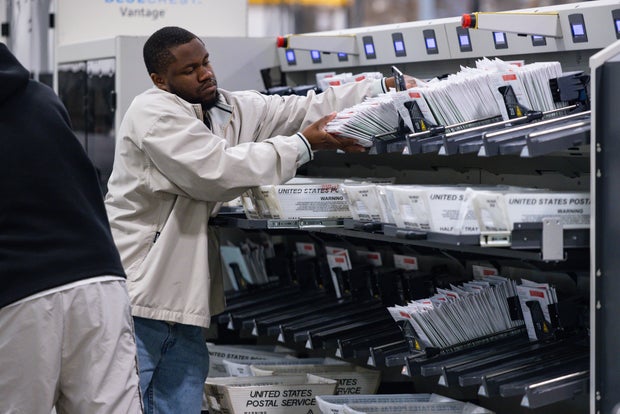
Workers count ballots during the 2026 California primary election at the ballot processing center in the city of Industry on Wednesday, June 3, 2026. (Kayla Bartkowski / Los Angeles Times via Getty Images) Kayla Bartkowski

Voting by mail and “a lot of choices on the ballot”

Mail-in voting is overwhelmingly used by voters over going to the polls in California. According to the California Secretary of State, about 13 million of the approximately 16 million votes in the 2024 presidential election in California were cast using vote-by-mail ballots.

As of October 2025, there were 23 million registered voters in the state, according to the Secretary of State. Counties send mail-in ballots to every registered voter, whether they plan to use them or not.

Since California law allows for mail-in ballots to be counted as long as they are postmarked on or before Election Day and received by the county within a week of that date, the process takes time, Grose said.

“The reason a lot of the ballots haven’t been counted yet is because they were dropped in the mail Monday [or] Tuesday, and as long as they’re postmarked by Tuesday, they get to be counted,” Grose said. “And a lot people in this election, especially waited until the last minute to vote because there are a lot of choices on the ballot.”

The two most high-profile races of this cycle, the gubernatorial election and LA mayoral election, are among the tightest and most competitive those particular races have been in recent years. In the governor’s race, as many as nine candidates polled well enough to qualify for major debates, creating a tough choice for many voters.

Election security measures, ballot curing

Another reason for the wait is that California has “decided to take longer to make sure all the votes are counted” through a strict process, Grose said.

US-VOTE-POLITICS-CASLIFORNIA
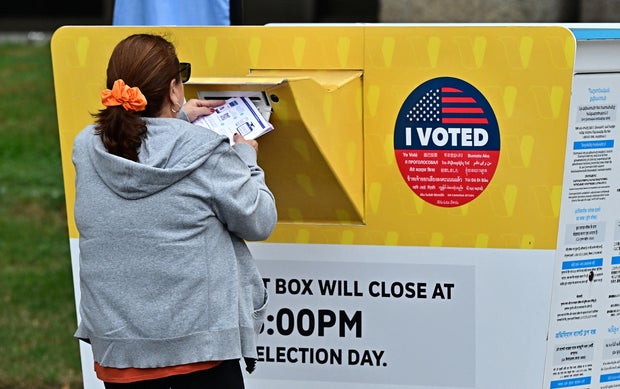
People drop off their ballots at the Los Angeles County Registrar on October 28, 2024, in Norwalk, California, two days after early voting in Los Angeles County began. Millions of US voters have already cast their ballots either by mail and drop-off boxes or in-person early voting ahead of the November 5 US presidential elections. FREDERIC J. BROWN/AFP via Getty Images

Many states conduct a process called signature matching, but California’s sheer volume of ballots makes it a tall task for election administrators. Ballots received through the mail go through machines to ensure the signature on the ballot matches the signature that same voter used on their voter registration forms. If the machines reject any matches, as Grose explained, election administration offices will physically check themselves to see if they match to the human eye.

California allows for a process called ballot curing, which allows voters to correct, or cure, their ballots if they were rejected by both the machine and an election administrator.

“[Curing] also takes time too,” Grose said. “It is frustrating because we don’t know who the winner is all the time quickly, but then it gives voters the opportunity to make that their votes are accounted and that their votes are counted securely.”

Competitive races and razor-thin margins

The process is nothing new, as Grose pointed out.

Grose said in most races through the years, such as the 2025 Proposition 50 special election, the margin of victory is wide enough for media outlets to project a victor on election night. But with ultra-competitive races such as those for governor and LA mayor, it’s going to take more time, Grose said, as those mail-in ballots are going to contain the deciding votes.

“It’s normal to have weeks until we have the final count,” he said. “It’s a little more unusual here that we have so many close elections, we don’t know the outcome yet.”

Grose says a potential partisan split between voting method could lead to late boosts to left-leaning candidates as vote counts continue to be updated. With a Republican field of just two major candidates in the gubernatorial race, conservative-minded voters may have made their minds up earlier, making it more likely for Democrats and other left-leaning voters to delay their votes due to a longer decision-making process about a crowded field.

“Democrats sat on their ballots trying to decide who they might want to vote for,” Grose said. “And Democrats mail their ballots in Tuesday, Monday, and that’s one of the reasons that we might see Democrats gain in some of the ballots that are counted in the next few days.”

Ultimately, Grose said he doesn’t want the issue of mail-in voting to become a partisan issue, as counting the largest number of votes possible is the best outcome for a functioning democracy.

“I think it’s personally unfortunate when democracy, literally counting ballots, turns into a partisan battle,” Grose said. “President versus governor, Newsom versus Trump. It really should be how can we do it the best and as fast as possible and not a partisan issue.”

The next hybrid meeting of the Chino Valley Democratic Club will be on June 8 in person and online

The June 8 meeting of the Chino Valley Democratic Club will host guest speaker Kevin Smith

  • Kevin Smith is a USAID Foreign Service Officer, with over 20 years’ experience in international development. Having served in Afghanistan, Ethiopia, Kenya, Malawi, and Nigeria, he worked and consulted for several international NGOs and conducted field research in East Africa prior to joining USAID. He holds a PhD in Cultural Anthropology. .
    • The United States Agency for International Development (USAid) was officially dissolved and closed down last year under the Trump administration. Following massive funding freezes and the termination of over 80% of its programs, the agency formally ceased operations, with its remaining functions absorbed into the U.S. State Department.
  • We will review current progress and results of the June 2 Statewide Primary election.
  • The club also plans to organize for June 14 and Juy 4 rallies, and local Chino Valley school district issues.
  • The annual election of club executive board officers will also be conducted..

Meetings are open to the public. Democrats are encouraged to join and help restore our democracy! 
The Club recommends participants contact chinovalleydemocrats21@gmail.com for the location or go to the Zoom link https://tinyurl.com/f47tjtj4 and join at the designated time